


What You Should Know About High-Side Motorcycle Crashes
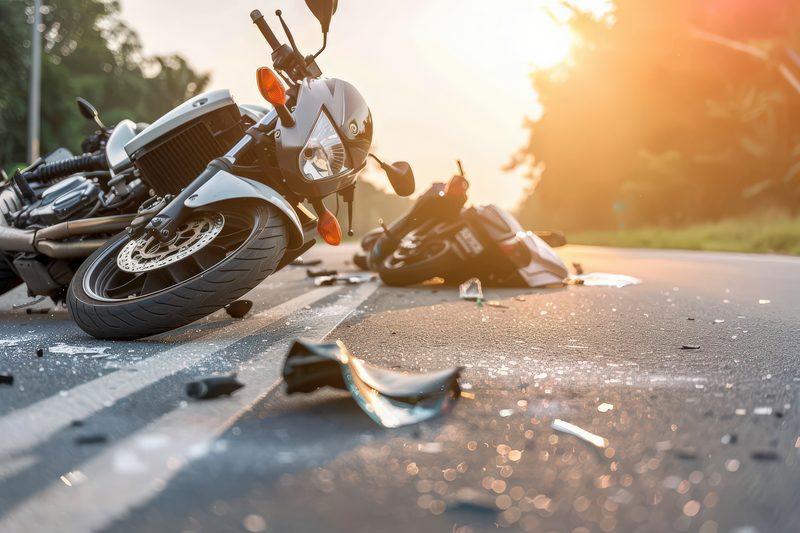
Quick SummaryA high-side happens when a sliding rear tire suddenly regains grip, snapping the bike upright and launching the rider over the top. Emergency braking, hard throttle in turns, slick surfaces, worn tires, road defects, and mechanical failure are common triggers. These falls often cause shoulder, head, spinal, and crush injuries. Insurers may blame rider skill, though a driver who forced a sudden maneuver can still be held responsible without any contact. |
Riders who have lived through one often describe it with a single word: violent. The bike seems to buck violently, and the rider suddenly finds themselves airborne.
Crashes like this can unfold in a fraction of a second, often during braking or cornering. A better picture of what a high-side motorcycle crash is can help riders reduce the risk and recognize who may be responsible when one happens. The answer also matters when an insurer later questions how the fall occurred.
What Does High-Side Mean on a Motorcycle?
A high-side crash begins when the rear tire loses traction and starts to slide. If the tire suddenly regains grip, the motorcycle snaps back upright with tremendous force. The sudden snap can launch the rider over the top of the bike, toward the outside of the turn.
A low side crash unfolds differently. In a low side, the bike slides out from under the rider, who usually skids along the pavement. High side crashes often throw the rider higher and farther, and the bike may tumble after them. The added height and unpredictable landing can make injuries far more serious.
Here at Corradino & Partners, LLC, we see how these crashes can upend a rider’s life in seconds. Experienced personal injury lawyers in New Jersey recognize that the mechanics of a fall can shape how fault is evaluated.
Common Causes of High-Side Crashes
Several situations can set the stage for a high-side:
- Emergency braking: Locking the rear wheel to avoid a car, then releasing the brake, can cause the tire to regrip abruptly.
- Hard acceleration in a turn: Too much throttle mid-corner can break the rear tire loose.
- Slick surfaces: Oil, gravel, wet leaves, painted lines, and metal plates can cause a sudden slide.
- Cold or worn tires: Tires without proper warmth or tread offer less consistent grip.
- Road defects: Potholes and uneven pavement can unsettle the rear wheel during a turn.
- Mechanical failure: Faulty brakes, tires, or traction control systems can contribute to a loss of control.
Notice how several of these causes involve forces outside the rider’s control. A driver who cuts off a motorcycle can trigger the emergency braking that leads to a high side.
Injuries Riders Often Suffer
The rider’s path through the air and the force of landing can cause serious harm. Common injuries include:
- Collarbone and shoulder fractures: Riders often land on an outstretched arm or shoulder.
- Head and brain injuries: Even with a helmet, the impact can cause concussions or traumatic brain injury.
- Spinal injuries: A hard landing can damage vertebrae or the spinal cord.
- Wrist and hand injuries: Instinctive attempts to break the fall can fracture small bones.
- Crush injuries: A tumbling motorcycle can land on the rider after the initial impact.
Some of these injuries require surgery and months of rehabilitation.
What Does It Mean to High-Side a Motorcycle When Another Driver Is at Fault?
Insurers sometimes treat a high-side as proof of rider error. The argument goes that a skilled rider would have kept control. These claims can overlook the driver who forced the emergency maneuver.
A crash can still lead to compensation without direct contact between the vehicle and the motorcycle. Witness statements, dashcam footage, and accident reconstruction can show how a driver’s actions caused the fall.
Road hazards may point to a government entity, and defective parts may lead to a product liability claim. A motorcycle accident lawyer in New Jersey can identify who contributed to the crash and gather evidence before it disappears. Results may vary depending on your particular facts and legal circumstances.
Reducing the Risk on the Road
Riders can lower their chances of a high side through training and equipment. Advanced riding courses teach braking and cornering techniques under controlled conditions. Modern motorcycles with antilock brakes and traction control can help prevent the rear wheel from locking or spinning.
Warming up tires, scanning for surface hazards, and using gradual throttle and brake inputs add a safety margin. Protective gear, including armored jackets and quality helmets, can reduce injury severity when a crash does occur.
Moving Forward After a Violent Fall
A high-side crash can turn an ordinary ride into a life-changing event. These falls often stem from sudden traction loss, and other drivers or road conditions can play a major role.
Riders deserve a fair look at what caused the crash before anyone assigns blame. Our team is available around the clock and handles motorcycle cases on a no-recovery, no-fee basis. Contact our motorcycle injury team to discuss what happened if a high-side left you injured.
FAQs
Can a passenger be injured in a high-side crash?
Passengers can be thrown just as violently as the rider, sometimes landing farther from the bike. An injured passenger may have a claim against the other driver’s insurer or, in some cases, the rider’s own policy.
Is laying the bike down a safer way to avoid a high-side?
Older riding advice sometimes recommended laying the bike down before a collision. Modern training generally favors firm, controlled braking in a straight line, as tires on the pavement offer more grip than a sliding motorcycle.
Can a high-side happen at low speeds?
These crashes can occur at moderate speeds, especially when a rider is leaning through a turn. Parking lots, highway ramps, and intersections with painted lines or loose gravel can all create conditions for a sudden traction loss.