


Motorcycle Crash Statistics: What The Latest Data Reveals
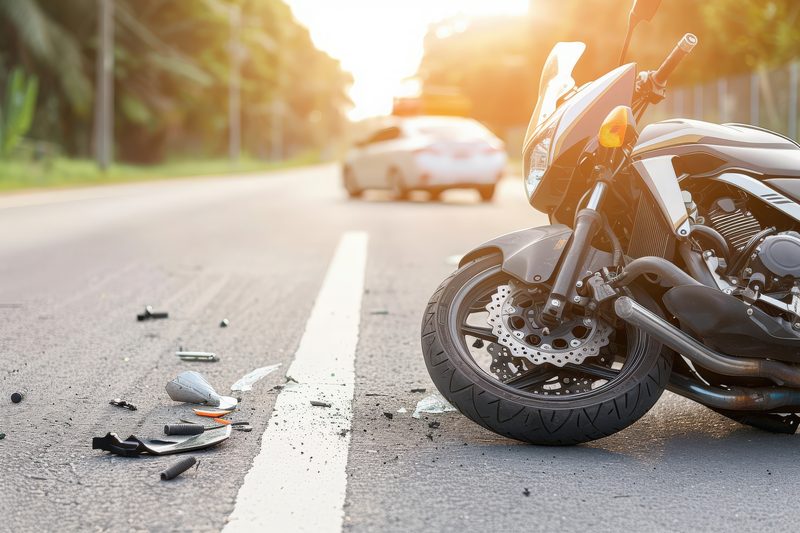
Quick SummaryMotorcyclists account for a far larger share of traffic deaths than their numbers on the road would suggest, and recent federal data shows only slow progress. Left-turning drivers, speeding, impairment, poor visibility, road hazards, and inexperience drive a large share of serious crashes. Helmets, visible gear, safety training, and attentive drivers can lower the risk. After a crash, insurers may lean on general statistics to blame riders, which makes case-specific evidence essential. |
Motorcycles offer freedom on the open road, yet riders carry more risk than people traveling inside a car. A minor collision for a sedan can become a life-changing event for someone on two wheels. Federal data behind common searches for “motorcycle crashes statistics” helps explain where that risk comes from and how to reduce it. The patterns behind the numbers offer practical lessons for drivers and riders alike.
What Motorcycle Crashes per Year Tell Us About Rider Risk
Motorcyclists represent a small slice of vehicles on the road, but they account for a far larger share of traffic deaths. The latest federal fact sheet shows a slight decline in motorcyclist deaths in 2024, along with a rise in rider injuries, and riders made up roughly one in six traffic fatalities nationwide.
Riders lack the steel frame, airbags, and seatbelts that protect car occupants. Even a crash at moderate speed can cause head trauma, spinal injuries, or broken bones.
In our work at Corradino & Partners, LLC, we see the human side of these figures. Behind each data point is a person facing surgery, lost income, and a long recovery. Experienced personal injury lawyers in New Jersey recognize how these injuries can affect a rider’s family for years.
Common Causes Behind Bad Motorcycle Crashes
Federal data and crash investigations point to a handful of recurring causes:
- Left-turning vehicles: Drivers turning across a rider’s path at intersections remain a leading cause of serious collisions.
- Speeding: Excess speed shortens reaction time and increases impact force for riders and drivers alike.
- Alcohol impairment: Impaired riding and driving play a significant role in fatal crashes, especially at night.
- Visibility problems: Motorcycles can disappear in blind spots or blend into traffic, particularly at dusk.
- Road hazards: Potholes, gravel, and uneven pavement pose a greater danger to two wheels than four.
- Inexperience: Riders without proper licensing or training may struggle in emergency situations.
Several of these causes stem from driver behavior. When a driver’s mistake triggers a crash, a motorcycle accident lawyer in New Jersey can help the injured rider pursue compensation.
What the Data Means for Riders and Drivers
Crash trends offer lessons for anyone who shares the road. Riders and drivers can lower the risk through simple habits:
- Wear a DOT-approved helmet: Helmets significantly reduce the risk of fatal head injuries, and New Jersey requires them.
- Choose visible gear: Bright jackets, reflective strips, and a working headlight help drivers spot riders sooner.
- Take a safety course: Formal training sharpens braking, swerving, and hazard awareness.
- Look twice at intersections: Drivers should check for motorcycles before turning left or pulling out.
- Give riders space: Following at a safe distance allows time to react if a rider brakes or swerves.
Why These Trends Matter After a Crash
Statistics can work against injured riders in unexpected ways. Insurers sometimes point to general data on speeding or alcohol to suggest a rider caused the crash. These arguments can surface even when the facts show the driver was at fault.
Solid evidence helps counter those assumptions. Witness accounts, video footage, and accident reconstruction can show what happened in your specific case. New Jersey’s comparative negligence rules make this evidence especially important, as your recovery can be reduced by your share of fault. Results may vary depending on your particular facts and legal circumstances.
Riding Forward With the Facts on Your Side
Motorcycle crash data reveals clear patterns, from left-turning drivers to speed and impairment. Riders who wear proper gear and stay visible can lower their risk, and drivers who look twice can prevent tragedies.
When a crash happens anyway, the facts of your case carry real weight. Our team is available around the clock and handles motorcycle cases on a no-recovery, no-fee basis. If you were hurt on your bike and want honest guidance, talk with our attorneys today.
FAQs
Are motorcycle crashes more common during certain times of year?
Crashes often rise in warmer months, when more riders take to the road. Weekends and evening hours also see heavier recreational riding, which can increase exposure to impaired or distracted drivers.
Are older riders at greater risk of serious injury?
Older riders have become a larger part of the motorcycling community. Slower healing, reduced reaction time, and heavier touring bikes can make injuries more severe, so refresher training can be a smart investment.
Does the type of motorcycle affect crash risk?
Research suggests that high-performance sport bikes face higher fatality rates than cruisers or touring models. Rapid acceleration and high top speeds can leave less room for error, especially for newer riders.