


Low Side Motorcycle Crash: What Every Rider Should Know
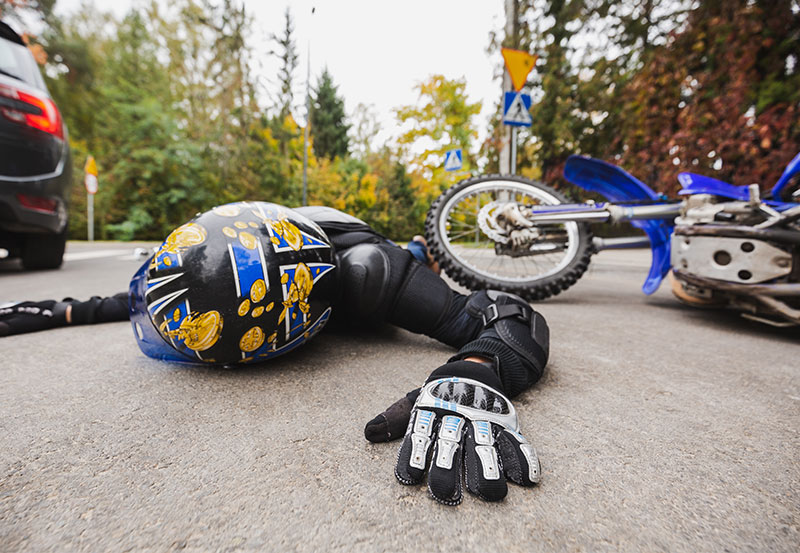
Quick SummaryA low side motorcycle crash occurs when a tire loses traction and the motorcycle falls onto its side, causing the bike and rider to slide across the pavement. These crashes commonly result in injuries such as road rash, broken bones, and joint damage, although the severity depends on the speed, road conditions, and objects the rider encounters after falling. Common causes include excessive braking while turning, leaning beyond the tire’s grip limit, slippery surfaces, sudden steering changes, and worn tires. |
A low side motorcycle crash is one of the most common types of falls riders experience, and it happens fast, often before a rider has time to react. Unlike other crashes that involve a violent collision, a low side crash occurs when the front or rear tire suddenly loses grip on the road, sending the bike sliding out from under the rider.
Understanding what causes this type of crash, how it differs from other motorcycle accidents, and what steps to take afterward can help riders protect their health and their legal rights.
What Exactly Is a Low Side Motorcycle Crash?
A low side motorcycle crash happens when one of the motorcycle’s tires loses traction while the bike is leaning, usually during a turn. The motorcycle then drops toward the inside of the turn, causing both the bike and rider to slide along the road surface.
The term “low side” refers to the side of the motorcycle closest to the ground when it falls. Unlike a high side crash, where the rider may be thrown into the air, a low side crash typically sends the rider sliding with the motorcycle.
The sliding motion can create significant friction between the rider and pavement. This often leads to road rash, abrasions, and other injuries even when the crash occurs at moderate speeds.
Common Causes Behind a Low Side Crash
Several factors can cause a tire to lose grip mid-ride, including:
- Braking too hard, especially on the front wheel, while turning
- Leaning too far into a curve beyond the tire’s traction limit
- Riding over gravel, sand, oil, or wet pavement
- Sudden throttle changes while leaned over
- Worn or underinflated tires that reduce grip
When traction disappears, riders often have very little time to recover control before the motorcycle falls. Weather conditions can make these situations even more dangerous. Rain, for example, can combine with oil residue and other substances on the road to create unexpectedly slippery surfaces.
Common Locations Where Low Side Crashes Happen
Low side crashes frequently happen in areas where motorcycles must lean or where road conditions can change unexpectedly. Curves, highway exits, and sharp turns are common locations because riders rely heavily on tire grip while changing direction.
Intersections can also create risks because vehicles may leave behind oil, fuel, gravel, or other debris. Parking lots, driveways, and construction areas with loose materials can be dangerous as well, especially when riders encounter unstable surfaces without warning.
How a Low Side Crash Differs from a High Side Crash
A high side crash happens when a sliding rear tire suddenly regains traction while the bike is already leaned over, snapping the motorcycle upright and launching the rider into the air. This type of crash tends to happen at higher speed and often causes more severe injuries due to the height and force of the fall.
A low side crash, by comparison, tends to be less violent since the rider slides along the ground instead of being thrown through the air. That said, a low side crash can still be dangerous depending on speed, road surface, and what the rider slides into after going down.
Typical Injuries from a Low Side Crash
Road rash is one of the most common injuries in a low side crash, caused by skin sliding against the pavement even through protective gear. Fractures to the wrist, collarbone, ankle, and hip are also common, since riders often instinctively put out a hand or foot to catch themselves.
More severe injuries can occur if the rider slides into a curb, guardrail, parked car, or another vehicle after going down. Even a crash that begins as a low speed slide can turn catastrophic depending on what the rider collides with along the way.
How Protective Gear Affects Injury Severity
The right protective gear can make a significant difference in the outcome of a low side crash. A quality helmet, riding jacket, gloves, and pants built with abrasion-resistant material can reduce road rash and protect against deeper cuts during the slide.
Even with full gear, a low side crash can still cause broken bones or joint injuries, since gear protects the skin far better than it protects against impact and blunt force. Riders without proper gear often face much longer recovery times and a higher risk of infection from open wounds.
What to Do Immediately After a Low Side Crash
If you are able to move safely, get out of the roadway and away from traffic before checking for injuries. Even if you feel fine, some low side crash injuries, like fractures or internal bruising, are not always obvious right away.
Take photos of the scene, including the road surface, any debris, skid marks, and the position of your bike, before anything gets cleaned up or moved. This evidence can help explain what caused the loss of traction in the first place.
Who Can Be Held Liable for a Low Side Crash
Even though a low side crash can look like rider error at first glance, the real cause often traces back to something outside the rider’s control. A pothole, loose gravel from nearby construction, an oil spill, or debris left in the road can all cause a tire to lose grip unexpectedly.
A municipality or property owner responsible for maintaining the road may share liability for hazardous conditions, while a driver who cut off a rider or forced a sudden maneuver may also bear responsibility. In some cases, a defective tire or motorcycle part can be the true cause behind the loss of traction.
Investigating a low side crash often means acting quickly, since road hazards can get cleared or repaired within days, and skid marks fade fast. Working with a motorcycle accident lawyer early helps preserve the evidence needed to identify every party who may share responsibility.
Tips to Reduce the Risk of a Low Side Crash
While no rider can eliminate every risk on the road, a few habits can lower the chances of a low side crash. Keeping tires properly inflated and replacing them before the tread wears thin gives the bike a better chance of maintaining grip.
Scanning the road ahead for gravel, oil, or debris, and easing off the brakes and throttle smoothly through turns, can also help a rider stay upright when road conditions turn unpredictable.
Hurt in a Low Side Motorcycle Crash? Corradino & Partners, LLC Is Ready to Help
At Corradino & Partners, LLC, we have spent over 25 years representing injured motorcyclists across New Jersey, including riders hurt in low side crashes caused by hazardous roads, careless drivers, or defective equipment.
Our team knows how to investigate the true cause of a crash, from photographing the road surface to reviewing maintenance records or vehicle data, so responsible parties can be held accountable. We have recovered over $500 million for our clients, and we take every case on a no recovery, no fee basis, so you never pay us unless we win.
Our attorneys are available 24 hours a day, and we keep you updated at every step of the process. You will have direct access to your attorney’s cell phone, and we handle all communication with the insurance company so you can focus on your recovery.
If a low side crash left you injured, do not assume you are at fault before speaking with a lawyer. Call Corradino & Partners, LLC today for a free consultation.
FAQs
Is a low side crash always the rider’s fault?
No. Many low side crashes are caused by road hazards, other drivers, or defective parts rather than rider error, and a full investigation can reveal the true cause.
Are low side crashes less dangerous than high side crashes?
Often, yes, since the rider slides rather than gets launched into the air, but a low side crash can still cause serious injury depending on speed and what the rider collides with.
What evidence should I collect after a low side crash?
Photos of the road surface, skid marks, debris, and the position of your bike can help show what caused the tire to lose traction, along with any available witness contact information.
Related Posts
- What To Do After A Rideshare Accident
- What Kind Of Compensation Can You Expect From Your Motorcycle Accident Claim?
- Six Steps To Follow After Suffering A Motorcycle Accident Brain Injury
- Top 7 Mistakes That Can Ruin Your Motorcycle Accident Claim in New Jersey
- Potholes & Road Hazards: How Dangerous Roads Put New Jersey Motorcyclists at Risk