


Slip And Fall Vs. Premises Liability: How To Tell The Difference
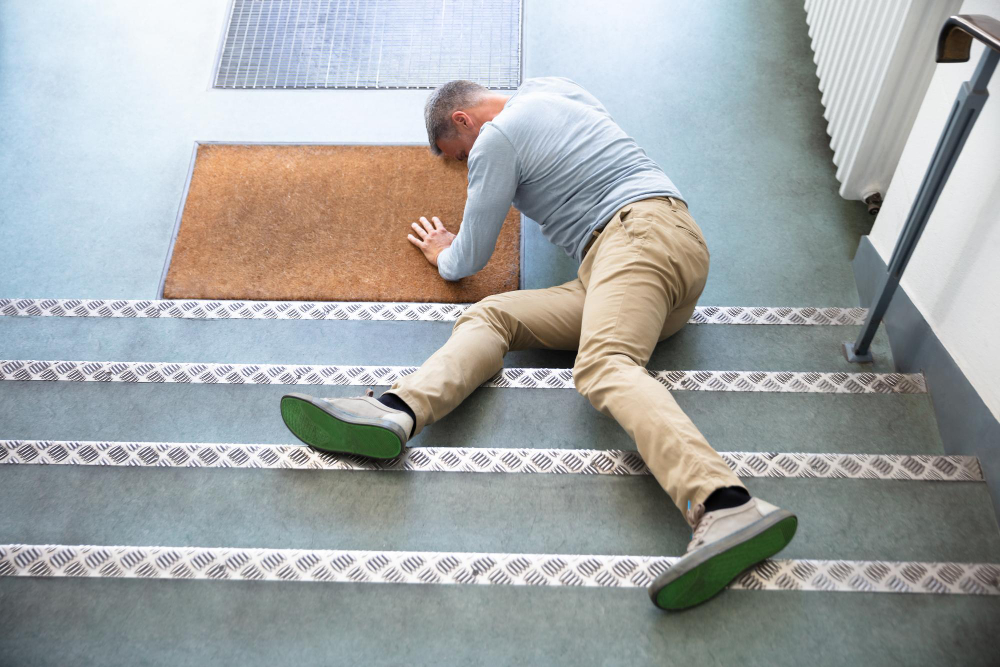
When someone is injured on someone else’s property, it often leads to a legal claim. However, knowing whether the injury falls under premises liability slip and fall or another type of premises liability claim can be difficult. These two terms are often used interchangeably, but they refer to different types of legal claims. In this post, we will explain the differences between a slip and fall case and premises liability, and how each one applies to your situation.
What is Premises Liability?
Premises liability is a broad area of law that holds property owners responsible for injuries that occur on their property due to unsafe conditions. Property owners have a legal duty to maintain their property and ensure it is safe for those who enter it. When they fail in this duty and someone gets injured, they may be held liable for the damages.
Premises liability claims can involve various situations, including:
- Slip and fall accidents
- Inadequate lighting or security
- Dangerous structures or machinery
- Poorly maintained parking lots
- Animal attacks caused by property owners’ negligence
Under premises liability, the property owner must be proven to have been negligent in maintaining the property or warning visitors about dangerous conditions. This includes showing that the property owner either knew or should have known about the hazard and failed to fix it.
If you’ve been injured due to unsafe conditions on someone else’s property, it’s important to get expert legal guidance. Our premises liability lawyers in New Jersey can help you understand the best legal course of action for your case.
What is a Slip and Fall Accident?
A slip and fall accident is one of the most common types of premises liability lawsuits. It occurs when someone slips, trips, or falls on a property due to hazardous conditions, such as wet floors, uneven surfaces, or poor lighting. Slip and fall accidents can happen anywhere – at grocery stores, on sidewalks, in office buildings, or even at a friend’s house.
These accidents are considered a subsection of premises liability. In a slip and fall case, the injured person typically has to prove that the property owner was negligent by failing to maintain a safe environment. For example, a grocery store might be liable for a slip and fall accident if it failed to clean up a spill in the aisle or put up a warning sign about the hazard.
Slip and fall cases can be complex, as they require establishing that the property owner was at fault for the dangerous condition. This means showing that the property owner had a reasonable amount of time to fix the hazard or warn others about it but failed to act.
If you’ve experienced a slip and fall injury, our slip and fall lawyers in New Jersey can help you build a strong case and pursue the compensation you deserve.
Premises Liability Slip and Fall Lawsuit
A premises liability slip and fall lawsuit is the legal action that is taken when a slip and fall injury occurs on another person’s property due to unsafe conditions. If the accident resulted from the property owner’s negligence, the injured person can file a lawsuit to seek compensation for medical bills, lost wages, pain, and suffering.
The injured party must prove several things for a premises liability slip and fall lawsuit to succeed:
- Duty of care: The property owner had a duty to maintain a safe environment.
- Breach of duty: The property owner failed to keep the property reasonably safe.
- Causation: The failure to maintain the property directly led to the fall.
- Damages: The injury caused actual harm, such as medical expenses, lost wages, or pain.
For example, if a person slips on a wet floor in a store and falls, they may file a slip and fall lawsuit. The victim would need to show that the store owner was negligent by not cleaning the spill or failing to put up a caution sign. A successful lawsuit could lead to compensation for medical bills, lost wages, and other damages.
Premises Liability Suit vs. Slip and Fall Lawsuit
A premises liability suit is a broad category that includes all types of accidents that occur on someone else’s property due to negligence. This can include slip and fall accidents, but it also covers other incidents such as:
- Trip and fall accidents: These may occur when someone trips over uneven pavement, loose carpeting, or a misplaced object.
- Inadequate security: If someone is assaulted on a property due to lack of security, a premises liability suit may be filed.
- Dog bites: If a property owner fails to secure their dog and someone is bitten, the victim may file a premises liability lawsuit.
In contrast, a slip and fall lawsuit specifically focuses on accidents where someone slips or trips and falls due to hazardous conditions on a property. Therefore, all slip and fall cases fall under premises liability, but not all premises liability cases are slip and fall cases.
What Must Be Proven in a Premises Liability Lawsuit?
To win a premises liability lawsuit, whether it’s for a slip and fall accident or another type of incident, the plaintiff must prove the following:
- The property owner had a duty of care to maintain a safe environment for visitors.
- The property owner breached that duty by failing to address a dangerous condition or hazard on the property.
- The breach directly caused the accident and the resulting injuries.
- The plaintiff suffered damages from the accident, such as medical bills, lost wages, and pain and suffering.
How Premises Liability Applies to Different Types of Properties
Premises liability laws apply to a wide range of properties, and each type of property may have different requirements and standards for safety. Understanding how these laws apply to different properties can help clarify your legal rights if you are injured.
For residential properties, homeowners and landlords have a duty to keep common areas, walkways, and structures safe. This includes addressing hazards like cracked sidewalks, poorly lit hallways, or broken stairs. If a tenant or guest is injured due to the owner’s failure to maintain these areas, a premises liability suit can be filed.
On commercial properties, such as retail stores, restaurants, or shopping malls, the property owner or manager must also maintain a safe environment. This can include regular inspections and prompt cleaning of spills in aisles. Property owners are typically held to a higher standard in commercial settings, as they have a business interest in ensuring customer safety. For example, if a store neglects to clean a spill in a timely manner and a customer slips, the property owner may be held liable.
Finally, for public properties such as parks, sidewalks, or government buildings, the government entity responsible for maintaining the property may be held liable if unsafe conditions lead to an accident. However, filing claims against governmental entities can be more complex due to sovereign immunity laws, which often limit the types of claims that can be filed against government agencies.
Why Hire a Lawyer for a Premises Liability Case?
Handling a premises liability suit on your own can be difficult. A lawyer experienced in premises liability slip and fall cases can provide the expertise necessary to pursue your claim successfully. Additionally, many slip and fall and premises liability cases involve complex legal and factual issues, and having an attorney who is familiar with the laws and procedures can make a significant difference in the outcome of your case.
Get Help from Experienced Premises Liability Lawyers
At Corradino & Papa, LLC, we bring years of experience to each case we handle, offering personalized attention to each client. Our slip & fall lawyers in New Jersey are skilled at evaluating your case, negotiating settlements, and fighting for the compensation you deserve. Additionally, we work on a contingency fee basis, meaning you don’t pay unless you win your case.
Contact Corradino & Papa, LLC today and let our experienced team help you pursue justice and fair compensation for your injuries.