


5 Types Of Rideshare Accidents You Should Know
Rideshare services have become part of everyday transportation, but they introduce risks that differ from standard vehicle collisions. Knowing the types of rideshare accidents helps clarify how liability is determined and why these claims often become more complex.
These accidents do not follow a single pattern. They involve passengers, multiple drivers, and shifting insurance coverage depending on the driver’s app status.
Rear-End Collisions Involving Rideshare Vehicles
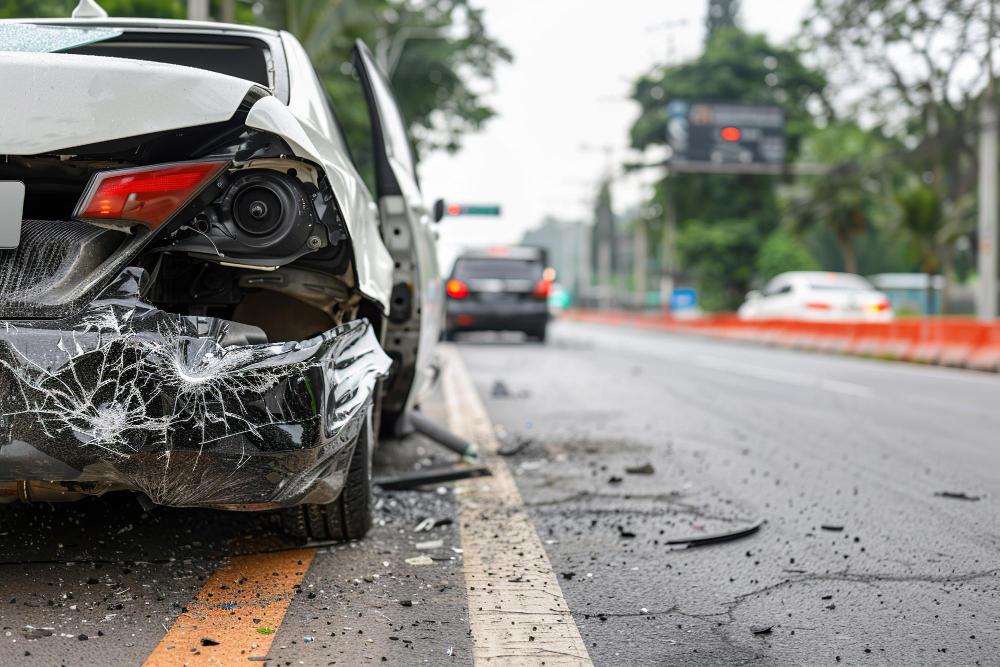
Rear-end collisions are among the most common types of rideshare accidents. These crashes often happen in stop-and-go traffic, where drivers rely heavily on navigation apps and incoming ride requests.
These cases can resemble trucking accidents in how liability is evaluated. The focus often shifts to driver behavior, fatigue, and whether proper attention was maintained.
For passengers, fault usually rests with the driver responsible for the collision. However, identifying the correct insurance coverage still requires confirming the driver’s app activity at the time.
Intersection Crashes and T-Bone Collisions
Intersections present another high-risk setting for rideshare accidents. T-bone collisions usually occur when a driver fails to yield or ignores traffic signals.
Rideshare drivers often travel unfamiliar routes, which can lead to misjudging right-of-way rules. When combined with app-related distractions, the risk increases.
In some cases, the force of impact can resemble collisions involving a commercial truck, especially when vehicles enter intersections at speed. These accidents often result in more severe injuries due to the angle of impact and limited protection on the struck side of the vehicle.
Determining fault requires reviewing traffic signals, vehicle positioning, and witness accounts. Liability may extend beyond one driver, particularly when multiple vehicles contribute to the crash.
Accidents Caused by Distracted Driving
Distracted driving plays a major role in many rideshare incidents. Drivers interact with navigation systems, accept ride requests, and communicate with passengers while operating a vehicle.
This split attention creates moments where important changes on the road are missed. A quick glance at a screen can be enough to overlook sudden traffic movement or pedestrians entering the roadway.
Proving distraction requires clear evidence. App activity logs, phone records, and witness accounts often become key factors in establishing negligence and connecting the driver’s actions to the accident.
Pedestrian and Cyclist Collisions
Rideshare vehicles frequently operate in high-traffic urban areas where pedestrian crossings, bike lanes, and constant movement create a more unpredictable driving environment. Frequent pickups and drop-offs often require drivers to stop abruptly, pull over in active lanes, or make quick turns. This will increase the risk of overlooking nearby pedestrians or cyclists.
In many cases, drivers are also focused on locating passengers, checking navigation, or confirming ride details, which can divide their attention at critical moments. A pedestrian stepping into a crosswalk or a cyclist passing alongside traffic can easily be missed during these brief distractions. These incidents often occur at intersections, near curbs, or in areas with limited visibility.
When a collision happens, the consequences tend to be severe. Pedestrians and cyclists have no structural protection, making them vulnerable to direct impact and secondary injuries from falling onto the roadway. Even low-speed collisions can lead to fractures, head injuries, or long-term mobility issues, which makes these cases particularly serious from both a medical and legal standpoint.
Liability depends on driver awareness, adherence to traffic laws, and environmental conditions. In many cases, rideshare insurance policies may apply if the driver was actively using the app, but disputes often arise regarding coverage limits and responsibility.
Multi-Vehicle Accidents Involving Rideshare Drivers
Some of the most complex types of rideshare accidents involve multiple vehicles. These situations may begin with a single mistake but can quickly turn into chain-reaction collisions.
Rideshare drivers often work in congested areas, which increases the chances of multi-vehicle involvement. When several parties are affected, determining fault becomes more detailed. Each driver’s actions must be examined, and insurance claims may involve multiple providers.
Passengers are rarely at fault in these scenarios, yet they often face the most difficulty navigating the claims process. Identifying every responsible party is necessary to pursue compensation that reflects the full extent of the damages.
Guidance That Helps You Move Forward
A rideshare accident can disrupt daily life without warning. At Corradino & Partners, LLC, our New Jersey rideshare accident lawyers focus on identifying liability, preserving key evidence, and handling communication with insurers so the process does not become overwhelming.
With no recovery, no fee, and availability when you need it, we help you take the next step. Call us or fill out our contact form to schedule your free consultation and move forward with clarity.
Related Posts
- What To Do If You’re Injured In A Rideshare Accident
- Top 5 Injuries In Rideshare Accidents And Their Impact
- Rideshare Vs. Personal Vehicle Injury Claims: What Sets Them Apart
- Rideshare Etiquette: Guidelines For Safe And Courteous Rides
- Understanding The Statute Of Limitations For Rideshare Accident Lawsuits