


What Evidence Do You Need To Build A Strong Bicycle Accident Claim?
Quick SummaryBicycle claims often turn on proof, as drivers and insurers may dispute fault and downplay injuries. Scene photos, the police report, and independent witnesses establish what happened. Ride apps, rider cameras, surveillance footage, and vehicle data can confirm speed and timing. Your damaged bike, helmet, and medical records add weight, and preservation letters help stop key footage and records from disappearing. |
A bicycle crash often turns into a dispute over what happened. The driver may claim you swerved, ran a light, or appeared out of nowhere. Insurers sometimes lean on those stories to cut a payout or deny a claim altogether.
Solid bicycle accident evidence lets you answer those claims with facts. The details you gather in the days after a collision can carry real weight when fault and damages are reviewed.
What Evidence Helps Bicycle Accident Claims Succeed
Evidence does two jobs in a cycling case. It shows who caused the crash, and it proves how the injuries changed your life. Both matter under New Jersey’s comparative negligence rules, where your recovery can drop based on your share of fault.
Cyclists also face assumptions from adjusters and jurors who may view riders as careless. Clear proof helps cut through that bias and keeps attention on the driver’s conduct. Seasoned personal injury lawyers in New Jersey know that solid cases are often won in the details.
Corradino & Partners, LLC has seen claims rise or fall on evidence collected in the first few weeks. Small items, whether a timestamped photo or a witness phone number, can shape the outcome of an entire case.
Scene Evidence and the Police Report
The crash scene holds information that disappears quickly. Skid marks fade, debris gets swept away, and temporary hazards like construction cones may be removed within hours. Photos taken soon after the collision preserve the vehicles’ positions, your bike’s final resting spot, and nearby traffic signals.
The police report is often the first document an insurer requests. It records the parties, any citations issued, and the officer’s initial observations. Reports can contain errors, so review yours carefully once it becomes available. If the officer missed a witness or misstated the facts, an attorney can address those mistakes with additional proof.
Witnesses deserve special attention. Independent accounts from people with no connection to either party can carry significant weight. Collect names and phone numbers at the scene if you are able, or ask a friend to return later and look for anyone who saw the crash.
Digital Evidence Cyclists Often Overlook
Technology has changed how cycling crashes are proven. Data from your devices and your surroundings can confirm speed, location, and timing with precision. Key sources include:
- Ride tracking apps: GPS data from apps, including Strava or Garmin Connect, can show your speed, route, and the moment of impact.
- Bike computers: Devices mounted on handlebars may store speed and cadence data from the ride.
- Helmet or handlebar cameras: Footage from a rider camera can capture the crash from your point of view.
- Surveillance and traffic cameras: Nearby businesses, homes with doorbell cameras, and municipal cameras may have recorded the collision.
- Vehicle data recorders: Event data recorders in a car can store braking and speed information from the seconds before impact.
- Phone records: The driver’s cell phone activity may reveal texting or calling at the time of the crash, though these records usually require a formal legal request.
Footage from private cameras can be overwritten quickly, sometimes within days. Requesting it early improves the odds of preserving it.
Your Bike, Helmet, and Gear as Physical Proof
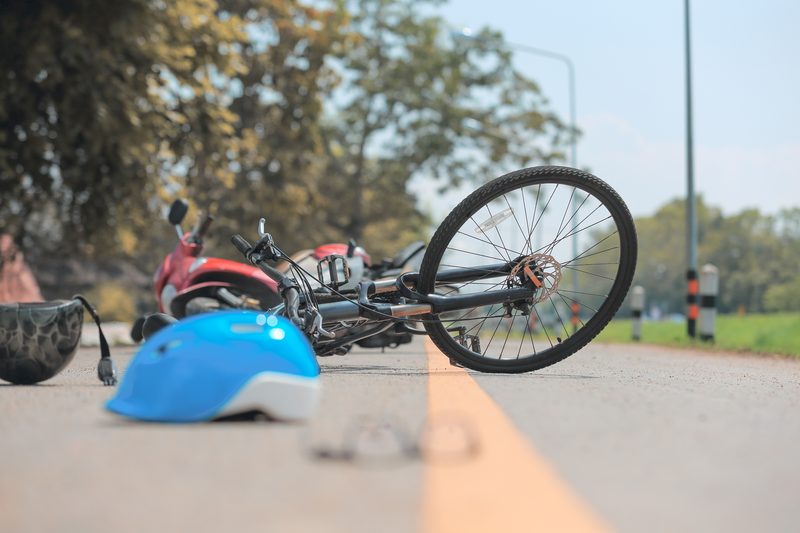
Your damaged bicycle tells part of the story. The location of dents, bent wheels, and scraped paint can help an expert reconstruct the impact angle and force. Repairing or discarding the bike too soon can erase that information.
A cracked helmet can show where your head struck the ground or vehicle. Torn clothing, broken lights, and damaged accessories add context about the collision. Store these items in a safe place, and avoid cleaning them until an attorney or expert has inspected them.
In some cases, a reconstruction expert may examine the bike alongside the vehicle. Matching damage patterns can confirm your account and counter a driver’s claim that you caused the crash.
Medical Records and Proof of Loss
Proving fault is half the battle. Your claim also needs records showing the full impact of your injuries. Useful documentation includes:
- Emergency and hospital records: These show the injuries diagnosed soon after the crash.
- Treatment notes: Records from specialists, physical therapists, and surgeons track your recovery over time.
- Injury photos: Pictures taken through the healing process show swelling, road rash, stitches, and scarring.
- Employment records: Pay stubs, work schedules, and a letter from your employer confirm lost income.
- Receipts and bills: Costs for medications, medical equipment, travel to appointments, and bike replacement add up quickly.
- A personal journal: Notes on pain levels, sleep problems, and missed activities help show how the injury affects daily life.
Breaks in treatment can give insurers room to argue that your injuries healed quickly. Following your doctor’s plan keeps your medical record consistent. Results may vary depending on your particular facts and legal circumstances.
How to Protect Evidence in a Bicycle Accident Case
Evidence can disappear through ordinary neglect or deliberate action. A preservation letter, sometimes called a spoliation letter, formally asks the driver, a business, or an insurer to keep relevant records and footage. Courts can penalize parties who destroy evidence after receiving notice.
Social media poses another risk. Photos from a weekend outing or posts about getting back on the bike can be used to downplay your injuries. Keeping your accounts private and limiting posts until your case resolves is a sensible precaution.
Timing matters as well. A bicycle accident lawyer in New Jersey can send preservation requests, obtain official records, and consult experts before key details are lost. The general deadline to file an injury lawsuit in New Jersey is two years, though evidence often fades long before then.
Turning the Details Into a Claim That Holds Up
A bicycle crash can leave you sorting through pain, paperwork, and questions about fault. Gathering photos, witness information, digital data, physical gear, and medical records gives your claim a factual foundation. Acting early protects proof that might otherwise vanish.
To put your evidence in front of experienced eyes, contact our Clifton office for a free consultation.
FAQs
What if I did not take photos at the scene?
Your claim can still move forward with other sources of proof. Returning soon after can capture road conditions, signage, and sight lines, and surveillance footage or witness accounts may fill in what happened during the crash itself.
What should I do if police did not respond to the crash?
Visit the local police department and file a report as soon as possible. New Jersey requires crashes involving injury to be reported, and a written record created close to the event carries more value than one made weeks later.
Should I share my ride app data with the driver’s insurer?
Hold off on sending GPS files or ride logs directly to an adjuster. Speed and route data can be interpreted in different ways, so having an attorney review and share it through proper channels protects how it is used.