


Understanding The Differences Between Rideshare And Standard Car Accident Claims
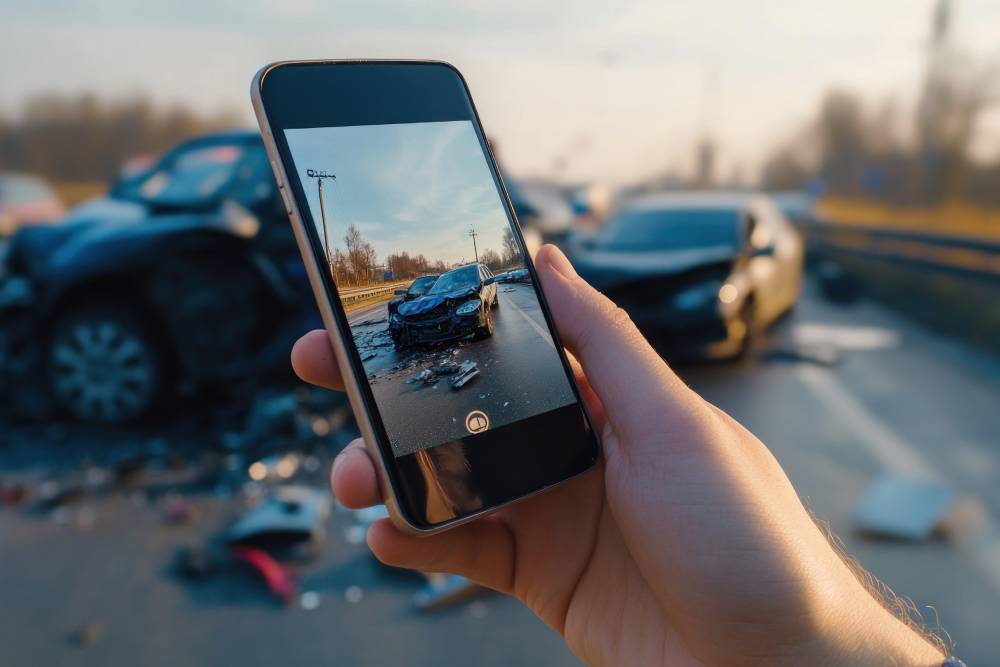
A car accident involving a rideshare vehicle might seem no different from any other traffic collision. Two vehicles collide, police arrive, insurance companies get involved, and claims begin moving through the system.
But once the paperwork starts, many accident victims quickly discover that rideshare cases follow a different path. The presence of rideshare companies, multiple insurance policies, and driver classifications introduces a layer of complexity that traditional car accident cases rarely involve.
If you have been injured in a rideshare car accident, understanding how these claims differ from standard accident cases can help you prepare for what comes next.
At Corradino & Partners, our New Jersey personal injury attorneys handle claims involving rideshare accidents and traditional car crashes and work to recover compensation through settlement or trial.
How Traditional Car Accident Claims Usually Work
Most standard car accident claims follow a fairly predictable process. Two drivers are involved in a collision, and investigators determine who caused the crash. Once fault is established, the at-fault driver’s insurance company becomes responsible for covering damages.
Those damages may include medical expenses, lost wages, vehicle repairs, and other related costs.
In many cases, the process looks something like this:
- The accident is reported to local authorities.
- Both drivers notify their insurance providers.
- Investigators review the police report and available evidence.
- Insurance companies determine fault and negotiate a settlement.
While disagreements sometimes arise, the structure is generally straightforward. Two drivers, two insurance policies, and one investigation into liability.
Rideshare accidents do not follow such a simple pattern.
Why Rideshare Accidents Are More Complex
The rideshare business model introduces a legal distinction that affects accident claims. Drivers are typically classified as independent contractors rather than employees. Because of that classification, the rideshare company may not automatically carry responsibility for every accident involving one of its drivers.
The legal questions become more layered. Determining responsibility requires examining not just the accident itself, but also the driver’s activity inside the rideshare app at the time of the crash.
That additional factor often makes a rideshare accident claim more complicated than a typical insurance case.
The Driver’s Status Changes Everything
One of the defining differences in rideshare accident cases is the driver’s status at the time of the crash. Insurance coverage changes depending on what the driver was doing during that moment.
Generally speaking, rideshare activity falls into three categories.
- First, the driver may be offline. In this situation, the driver is not logged into the rideshare app and is using the vehicle for personal reasons. If an accident occurs during this period, the driver’s personal auto insurance policy usually applies.
- Second, the driver may be logged into the app but waiting for a ride request. In this phase, some rideshare companies provide limited liability coverage, though the driver’s personal insurance may still play a role.
- Third, the driver may have accepted a ride request or may already be transporting a passenger. During this phase, the rideshare company’s commercial insurance policy often provides significantly higher coverage limits.
These different phases can influence which insurance policy pays for injuries and damages after a crash.
Insurance Coverage in Rideshare Accidents
Traditional car accidents typically involve personal auto insurance policies. Each driver maintains coverage that may include liability protection, collision coverage, and medical payments coverage.
Rideshare accidents often involve several overlapping policies. The driver may have personal insurance. The rideshare company may provide additional coverage depending on the driver’s status. Another driver involved in the crash may have their own insurance policy as well.
When multiple policies are involved, disputes sometimes arise over which insurer should pay for damages. Insurance carriers may attempt to shift responsibility to one another in order to limit their own financial exposure.
Sorting through these policies often requires careful investigation and the guidance of an experienced rideshare accident lawyer.
Liability Can Involve Multiple Parties
In a standard accident claim, responsibility often falls on a single driver who violated traffic laws or acted negligently. Rideshare accidents can involve a broader group of potentially responsible parties.
For example, the rideshare driver may have made a sudden lane change that caused a collision. In another scenario, a distracted driver might strike a rideshare vehicle carrying passengers. In some situations, both drivers may share partial responsibility.
There are also cases where liability extends beyond the drivers themselves. A poorly maintained vehicle or defective automotive component could contribute to the crash. Road conditions or construction hazards may also play a role.
Because of these possibilities, rideshare accident investigations sometimes involve multiple insurance claims and legal arguments.
The Role of Evidence in Rideshare Claims
Traditional car accident cases rely on evidence such as police reports, witness statements, and photographs from the crash scene. These forms of documentation remain important in rideshare cases as well.
However, rideshare accidents also involve digital records generated by the rideshare platform itself. Trip records, driver activity logs, and timestamps within the app can help establish the driver’s status during the crash. These digital records may reveal when the driver logged into the app, when a ride was accepted, and when the trip officially began.
Accessing and interpreting this information can become an important part of the legal process.
Why Legal Guidance Matters in Rideshare Cases
Because rideshare accidents involve multiple layers of liability and insurance coverage, legal representation often plays a larger role than it might in a standard accident claim.
An attorney experienced in these cases can examine the timeline of the ride, determine which insurance policies apply, and build a strategy aimed at recovering compensation for accident victims.
Working with a lawyer for rideshare accident cases allows injured individuals to focus on recovery while legal professionals handle communication with insurers and other parties involved in the claim.
Attorneys may also gather evidence, interview witnesses, consult medical experts, and assess the long-term financial impact of injuries.
What Victims Should Do After a Rideshare Accident
The actions taken after a crash can influence the strength of a legal claim. While every situation is different, certain steps can help document the incident and protect your rights.
Consider taking the following actions if you are involved in a rideshare accident:
- Seek medical care as soon as possible, even if injuries seem minor at first
- Report the accident through the rideshare app used for the trip
- Take photographs of the vehicles, road conditions, and the surrounding area
- Collect contact information from witnesses and drivers involved
These steps create a record of the accident that may prove valuable later in the claims process.
Understanding the Path Forward
While most trips occur without incident, accidents involving rideshare vehicles can create complicated legal questions. Unlike standard car accident claims, rideshare cases involve layered insurance coverage, digital ride data, and unique liability questions tied to the driver’s activity within the app.
Understanding these differences can help accident victims make informed decisions after a crash. With the right information and legal support, individuals injured in rideshare accidents can pursue compensation and begin rebuilding after an unexpected disruption to their lives.
Speak with a New Jersey Rideshare Accident Lawyer Today
If you were injured in a rideshare crash, having a knowledgeable legal team can make a meaningful difference in how your case unfolds. At Corradino & Partners, our Clifton-based personal injury firm represents accident victims across New Jersey, including cases involving Uber, Lyft, and other rideshare vehicles.
Our team includes 10 attorneys with more than 130 years of combined legal experience, giving us the depth and resources needed to handle complex accident claims. Over the years, we have recovered over $500 million for injured clients through settlements and verdicts.
From investigating the crash to dealing with insurance companies, we guide clients through every step of the process. Contact Corradino & Partners today for a free consultation to discuss your rideshare accident case.
Related Posts
- What To Do If You’re Injured In A Rideshare Accident
- Top 5 Injuries In Rideshare Accidents And Their Impact
- Rideshare Vs. Personal Vehicle Injury Claims: What Sets Them Apart
- Rideshare Etiquette: Guidelines For Safe And Courteous Rides
- Understanding The Statute Of Limitations For Rideshare Accident Lawsuits