


Personal Injury Mediation Tips For Reaching A Fair Settlement
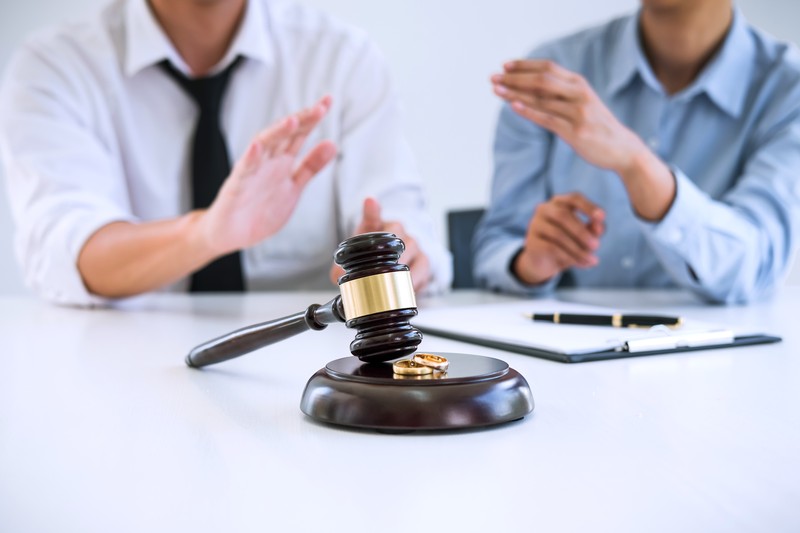
Quick SummaryPersonal injury mediation gives injured individuals and insurance companies the opportunity to discuss settlement without going to trial. Careful preparation, realistic expectations, and experienced legal guidance can help protect the value of a claim while working toward a settlement that reflects the full extent of the damages. |
When preparing for mediation, knowing the right personal injury mediation tips can help injured individuals approach these discussions with a firmer grasp of the process. This setting allows both sides to explore a possible resolution with the help of a neutral third party.
Unlike a trial, mediation is designed to encourage open conversation and problem-solving. However, reaching a fair outcome still requires preparation, knowledge of the claim, and a clear picture of the damages involved.
Working with personal injury lawyers in New Jersey can help injured individuals enter the process with legal guidance and a stronger understanding of their position.
An attorney can review the facts of the case, explain available options, and represent the client’s interests throughout the discussions.
Identify The Value Of Your Claim Before Mediation
One of the most valuable personal injury mediation tips is knowing what your claim is actually worth before negotiations begin. The value of a claim extends beyond current medical expenses.
Future medical treatment, lost wages, reduced earning capacity, pain and suffering, and long-term lifestyle changes may all affect the amount of compensation that should be considered.
Before mediation begins, an attorney can examine the available evidence and identify the factors that may influence the overall value of the claim. This preparation helps injured individuals enter negotiations with realistic expectations.
Understanding the complete value of the case also reduces the likelihood of accepting a settlement that fails to account for all documented losses. The objective is not simply reaching an agreement quickly. The goal is reaching a settlement that fairly reflects the full impact of the injury.
Review The Facts Surrounding Liability
A personal injury claim often depends on showing who was responsible for the accident. During mediation, both sides may review the facts surrounding the incident and how responsibility should be assigned.
The process used to determine liability may involve reviewing accident reports, witness statements, medical records, photographs, and other evidence connected to the accident.
When there are disagreements about fault, the strength of that evidence can influence how the case moves forward.
An attorney can help clients prepare for these conversations and explain how the facts may affect their position. Being ready to explain why another party may be responsible can make a meaningful difference during these discussions.
Bring Evidence That Supports Your Claim
Another important item on any list of personal injury mediation tips is presenting well-organized evidence that supports the claim. The documentation shared during mediation often influences how both parties evaluate the case.
Medical records, treatment history, employment information, accident reports, photographs, and financial records help demonstrate both the severity of the injury and the resulting losses. Well-documented evidence gives the insurance company and opposing party a clearer understanding of why a particular settlement amount is appropriate.
Taking steps to boost your case for personal injury involves more than collecting paperwork. It requires presenting information that connects the accident, the injuries, and the resulting damages.
An attorney can help organize the information needed for mediation and make sure important details are not overlooked.
Avoid Making Statements That Could Hurt Your Claim
During mediation, injured individuals often discuss how the accident occurred and how their injuries have affected daily life. Honest communication is important, but careless remarks or minimizing injuries can create unnecessary problems.
Insurance companies frequently evaluate every statement made during settlement discussions. Comments suggesting the injuries are less severe than previously documented or creating uncertainty about fault may weaken the claim.
Preparing in advance helps clients communicate clearly and confidently. Legal guidance also reduces the risk of making statements that could unintentionally harm the case.
Stay Open To Negotiation While Protecting Your Interests
Successful mediation often requires both sides to consider different settlement options. Productive negotiations involve listening carefully, evaluating proposals, and working toward a mutually acceptable resolution.
Flexibility, however, should never be mistaken for accepting an inadequate settlement.
Injured individuals should understand the full value of their claim before agreeing to any proposal. An attorney can evaluate each settlement offer, explain its strengths and weaknesses, and discuss how it compares with the documented damages.
This guidance helps clients make informed decisions rather than feeling pressured to resolve the claim too quickly.
Know The Personal Injury Mistakes That Can Affect Mediation
Certain choices can create issues before or during mediation. Failing to keep records, discussing the case publicly, or accepting an offer without legal review can lead to unnecessary complications.
Identifying personal injury case mistakes to avoid can help injured individuals protect their claims throughout the legal process. This approach works best when the facts are clear, the evidence is available, and the injured person has representation focused on their interests.
An attorney can help spot potential issues before they become larger problems. This preparation can make these discussions more productive and help clients move forward with greater confidence.
Work With An Attorney With Experience In Personal Injury Claims
Mediation can resolve many personal injury claims without the expense and uncertainty of a trial. Thorough preparation and knowledgeable legal representation often make a meaningful difference during settlement negotiations.
An experienced attorney can evaluate settlement proposals, calculate the value of the claim, and negotiate from a position supported by evidence.
At Corradino & Partners, we represent injured individuals throughout New Jersey who have been harmed by another party’s negligence.
We take the time to review each client’s circumstances, explain available options, and pursue compensation that reflects the harm they experienced. Our firm has recovered millions for clients and offers representation with no recovery, no fee.
We focus on communication and personalized attention throughout every stage of a personal injury claim. Our team is available 24 hours a day to discuss your situation and help you see the legal options available.
If you have questions about personal injury mediation or need assistance from Corradino & Partners, please contact us to speak with our legal team.
Frequently Asked Questions
Is mediation required in every personal injury case?
No. This process may be used in some cases as a way to resolve disputes before trial. The decision depends on the circumstances of the claim and the willingness of both sides to work toward a resolution.
Does reaching an agreement during mediation mean my case is over?
If both sides agree and the necessary documents are completed, the claim may be resolved. An attorney can review the terms before a final decision is made.
Can I attend personal injury mediation without an attorney?
While it is possible, having legal representation can help you evaluate offers, understand your rights, and avoid decisions that may negatively affect your claim.
Related Posts
- Why Wrongful Death Claims Are Different From Personal Injury Lawsuits
- Why Is Your Personal Injury Claim Taking Longer Than Expected? 7 Common Reasons
- Why Do Most Personal Injury Cases Settle Out Of Court?
- Personal Injury Vs. Personal Liability: Understanding The Legal Distinction
- Is Mediation Legally Binding In Personal Injury Cases?