


How Does A Car Accident Affect Your Life?
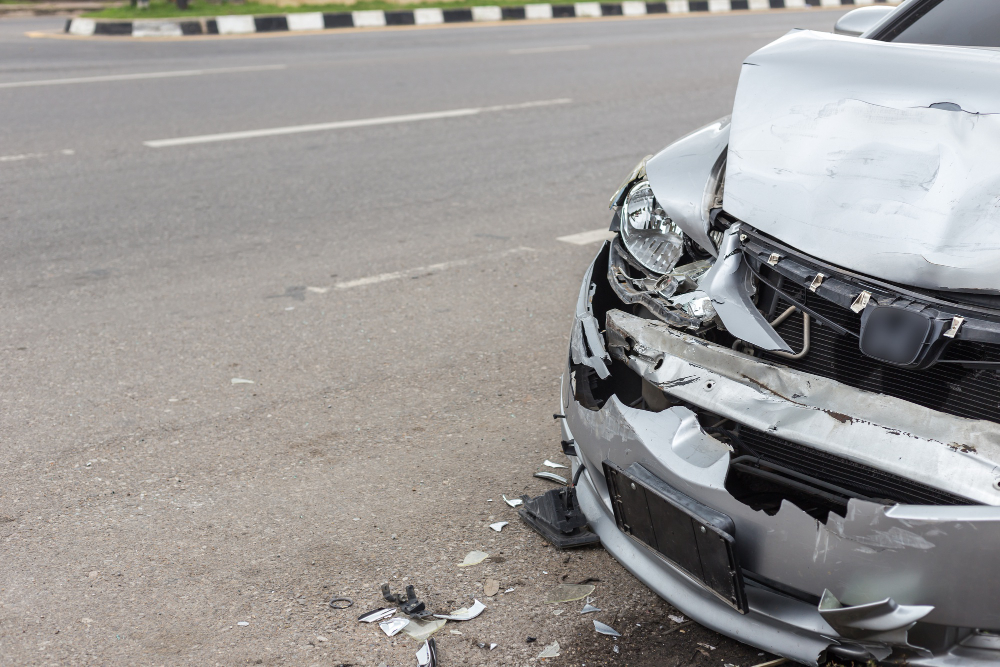
Understanding “How does a car accident affect your life?” goes beyond immediate damage or visible injuries. The impact often extends into daily routines, long-term health, emotional well-being, and financial stability.
Many individuals initially focus on vehicle repairs or insurance claims, but the broader consequences tend to unfold gradually.
The Physical Impact That May Not Appear Right Away
Physical injuries are often the most immediate concern after a collision, but not all symptoms appear at the scene. The body’s response to trauma can temporarily mask pain, making it difficult to identify underlying injuries right away.
Soft tissue damage, spinal strain, and head injuries frequently develop over time. A person may feel stable immediately after the crash, only to experience stiffness, headaches, or mobility issues days later. These delayed symptoms can complicate recovery, especially when early medical documentation is missing.
More serious injuries, such as nerve damage or internal complications, may require extended treatment plans. Recovery can involve physical therapy, ongoing medical evaluations, and adjustments to daily activities.
Even minor injuries can disrupt routines when pain interferes with sleep, work, or basic movement. These physical changes are a key part of “How does a car accident affect your life?” in both the short and long term.
How Daily Habits and Safe Driving Practices Change
After an accident, many individuals reassess their approach to driving. Even those who followed safe driving practices before the collision may develop hesitation behind the wheel.
Confidence often drops, especially in situations that resemble the original crash, such as busy intersections, heavy traffic, or highway travel. Some individuals choose to avoid driving for a period of time, depending on others for transportation or limiting their travel altogether.
This adjustment can impact both independence and productivity. Getting to work, handling errands, or keeping appointments may become more difficult. Over time, these disruptions can affect job performance, social connections, and overall lifestyle.
Working through these challenges usually takes time and patience. Gradual exposure to driving again can help rebuild confidence, and some individuals may benefit from professional guidance to return to their normal routines.
Emotional and Psychological Effects That Develop Over Time
The emotional impact of a car accident is often overlooked. Physical injuries tend to receive immediate attention, while psychological effects may take longer to appear.
Anxiety, fear, and stress are common reactions, especially when thinking about the accident or getting back behind the wheel. Some individuals develop ongoing concerns about road safety or become more alert in traffic situations.
In more serious cases, trauma-related symptoms may develop. These can include trouble sleeping, difficulty focusing, or avoiding certain places or situations. Emotional strain can also affect relationships, as individuals deal with frustration, increased dependence, or shifts in daily life.
Early recognition of these effects can make a meaningful difference. Emotional recovery plays a key role in the overall healing process and deserves careful attention.
Financial Pressure That Extends Beyond Initial Costs
The financial impact of a car accident rarely ends with immediate expenses. Medical bills, vehicle repairs, and insurance deductibles are only part of the equation.
Lost income often becomes a major concern, particularly when injuries limit the ability to work. Even short-term absences can create financial strain, while long-term injuries may affect future earning capacity.
Ongoing medical care adds another layer of cost. Follow-up appointments, therapy sessions, and medications can continue for months or longer. In some cases, individuals may need assistive equipment or home adjustments to accommodate physical limitations.
Insurance coverage may not fully account for these extended costs. Understanding the full financial impact requires careful evaluation of both current and future needs.
Unexpected Risks During High-Traffic Periods
Certain times of the year present increased risks for accidents. Travel-heavy periods, including holidays and spring break mishaps, often lead to higher traffic volumes and unpredictable driving conditions.
Drivers may encounter unfamiliar road users, increased congestion, or impaired driving behaviors. These conditions raise the likelihood of collisions, even for cautious drivers.
Accidents during these periods can carry additional complications. Emergency response times may vary, and crowded roadways can make accident scenes more chaotic. These factors can influence both the severity of injuries and the complexity of claims.
Being aware of these risks can help individuals better prepare and respond when driving conditions change.
How Relationships and Daily Life Are Affected
A car accident often impacts more than the person directly involved, as the effects can extend into family life and close relationships. When injuries require ongoing care or assistance, loved ones may take on added responsibilities, which can shift daily dynamics and routines.
Physical limitations can lead to greater dependence on others for everyday tasks. This change is not always easy to accept and can create emotional tension, especially when independence feels reduced.
At the same time, social activities may become less frequent. Pain, limited mobility, or emotional stress can make it harder to attend gatherings or stay engaged in regular events. Over time, these adjustments can influence relationships and overall quality of life.
Adapting to a new routine takes time, along with patience from everyone involved. Honest communication and realistic expectations can help ease the transition and reduce unnecessary strain.
Why Medical and Legal Timing Matters
The timing of key decisions after an accident can shape both recovery and legal outcomes. Medical evaluations that happen too late may make it more difficult to clearly connect injuries to the crash, which can affect the course of treatment as well as any potential claims.
Waiting too long to document the accident or seek guidance can also create challenges. Important evidence may become harder to gather, and details can become less clear as time passes.
Taking action early helps create a strong, well-documented record of what happened while also addressing injuries in a timely manner. This approach supports a smoother recovery process and strengthens any legal steps that may follow.
Looking Beyond the Immediate Aftermath
The effects of a car accident often reach far beyond the initial incident, shaping daily life in ways that develop over time. Recovery involves more than physical healing, as it also includes managing emotional challenges, adjusting to financial changes, and adapting to new routines.
A clear understanding of these broader impacts helps individuals make more informed decisions about medical care, proper documentation, and the steps that follow. Each of these elements contributes to rebuilding stability and moving forward with greater confidence after a collision.
Guidance That Supports Real Recovery
When everything feels uncertain, having the right support can make a meaningful difference. Our car accident lawyers focus on helping you understand how every aspect of an accident affects your life, not just the obvious parts.
At Corradino & Partners, LLC, we handle the legal side with clear communication, 24-hour availability, and no recovery, no fee, so you can focus on moving forward. Use our call button or contact form to get started.