


What To Expect When Filing A Rideshare Accident Claim
Rideshare services have become part of everyday transportation. With a quick request through an app, a driver arrives within minutes and the trip begins. Most rides end without incident, but when a crash interrupts the ride, the aftermath can feel confusing and stressful.
Passengers, drivers, and even pedestrians may suddenly face medical bills, insurance questions, and uncertainty about what happens next. Filing a rideshare claim often looks different from handling a standard car accident case because multiple parties and insurance policies may be involved.
At Corradino & Partners, our New Jersey personal injury lawyers help clients handle these complex claims and pursue compensation after a crash.
Reporting the Accident Immediately
The first step after any rideshare accident is documenting what happened. Like any traffic collision, calling emergency services and seeking medical attention should come first if anyone is injured.
Once the immediate situation is under control, the accident should also be reported through the rideshare platform. Most apps include built-in tools that allow passengers or drivers to report crashes directly.
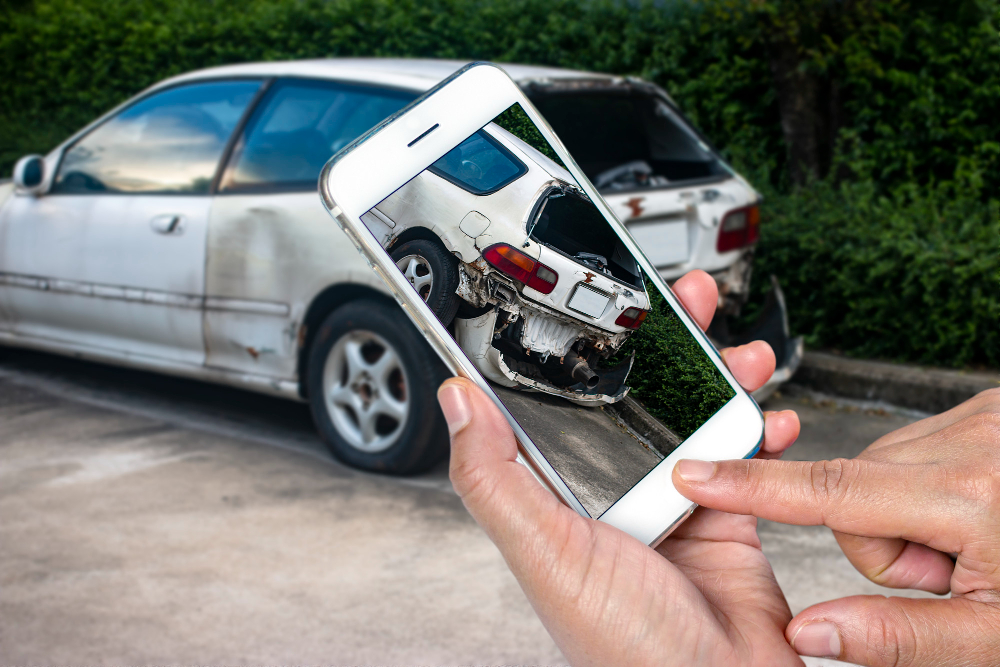
This rideshare reporting process typically asks for information such as the time and location of the crash, photos of the vehicles involved, and a description of what happened.
The rideshare company may then contact the driver and passengers for additional information. This early report becomes part of the record used during the claims process.
Understanding Who Oversees Rideshare Services
Unlike traditional taxi companies that operate under long-established local regulations, rideshare platforms follow a newer legal framework.
Many states classify rideshare companies as transportation network companies. These businesses operate under laws that set standards for driver background checks, insurance coverage, and safety procedures.
Because regulations vary by state, the question of who regulates rideshare services is relevant. In most cases, state transportation agencies or public utility commissions oversee these companies. These agencies set rules that rideshare platforms must follow in order to operate legally.
Local governments may also play a role by establishing safety guidelines, licensing requirements, or reporting rules within their jurisdictions. While these regulations exist, accident claims are usually handled through insurance policies rather than regulatory agencies.
Determining the Driver’s Status at the Time of the Crash
Rideshare drivers move through several different phases while using the app, and each phase may involve a different insurance policy. For example, a driver might be offline and using the vehicle for personal reasons. In that situation, the driver’s personal auto insurance typically applies.
If the driver is logged into the app and waiting for a ride request, limited company-provided coverage may apply. When a driver has accepted a ride or is transporting a passenger, rideshare companies usually provide higher levels of commercial insurance coverage.
A rideshare accident attorney can help determine the driver’s status and identify which insurance policy may apply.
Collecting Evidence After the Accident
Building a strong claim begins with collecting information about the crash. Evidence helps clarify how the accident occurred and who may be responsible.
Important evidence may include police reports, medical records, witness statements, and photographs taken at the scene. These materials help create a clear timeline of events.
Rideshare accidents also involve digital records from the rideshare app itself. The platform tracks ride requests, driver activity, trip timelines, and GPS locations. These digital logs can show when a driver accepted a ride or when a passenger entered the vehicle.
This type of data can become an important part of determining liability in a rideshare accident claim.
Dealing with Insurance Companies
Insurance companies become heavily involved once an accident claim begins. Because rideshare accidents may involve several policies, multiple insurers may review the case.
The driver’s personal insurance provider may be involved. The rideshare company’s commercial policy may also apply depending on the driver’s status in the app. If another vehicle caused the crash, that driver’s insurance company may also play a role.
Insurance adjusters typically review accident reports, medical documentation, and repair estimates before discussing compensation. They may contact the parties involved to gather statements about the incident.
During this stage, settlement negotiations sometimes begin. Insurance companies may present an offer intended to resolve the claim.
Understanding Possible Compensation
People injured in rideshare accidents may pursue compensation for several types of damages. These damages generally reflect the financial and personal impact of the accident.
Common forms of compensation may include:
- Medical expenses and rehabilitation costs
- Lost wages due to time away from work
- Reduced earning ability in the future
- Pain and suffering connected to injuries
- Vehicle repair or replacement costs
The total value of a claim depends on factors such as the severity of injuries, the amount of medical treatment required, and the long-term effects of the accident.
When a Lawsuit May Become Necessary
Many rideshare accident claims are resolved through negotiations with insurance companies. However, not every case settles quickly.
Sometimes insurers dispute liability or disagree about the value of a claim. When negotiations reach a standstill, filing a lawsuit may become the next step.
A lawsuit allows personal injury attorneys to gather additional evidence, question witnesses through depositions, and present arguments in court if needed.
Even when lawsuits are filed, many cases still settle before reaching trial. The legal process simply creates another avenue for resolving the dispute.
Why Rideshare Claims Can Take Time
Compared with standard car accident claims, rideshare accident cases sometimes take longer to resolve. One reason is the number of parties involved. Multiple insurance companies may need to review the case before any agreement is reached.
Another factor is the need to determine the driver’s exact status within the rideshare app at the time of the accident. This information influences which insurance coverage applies.
Medical treatment can also affect the timeline. Claims are often evaluated after doctors have a clearer understanding of the injured person’s recovery and long-term health outlook.
Experienced New Jersey Personal Injury Lawyers for Rideshare Accident Claims
If you were injured in a rideshare crash, having the right legal team on your side can make a real difference. Corradino & Partners is a Clifton-based personal injury law firm representing accident victims throughout North Jersey. Our team includes 10 attorneys with more than 130 years of combined legal experience, and we focus exclusively on personal injury cases involving car accidents, rideshare collisions, workplace injuries, and other negligence claims.
Over the years, our firm has recovered more than $500 million for injured clients through settlements and verdicts. We investigate accidents thoroughly and handle negotiations with insurance companies while you focus on recovery. Contact Corradino & Partners today to schedule your free consultation.
Related Posts
- What To Do If You’re Injured In A Rideshare Accident
- Top 5 Injuries In Rideshare Accidents And Their Impact
- Rideshare Vs. Personal Vehicle Injury Claims: What Sets Them Apart
- Rideshare Etiquette: Guidelines For Safe And Courteous Rides
- Understanding The Statute Of Limitations For Rideshare Accident Lawsuits