


How Common Are Rideshare Accidents Compared To Other Crashes?
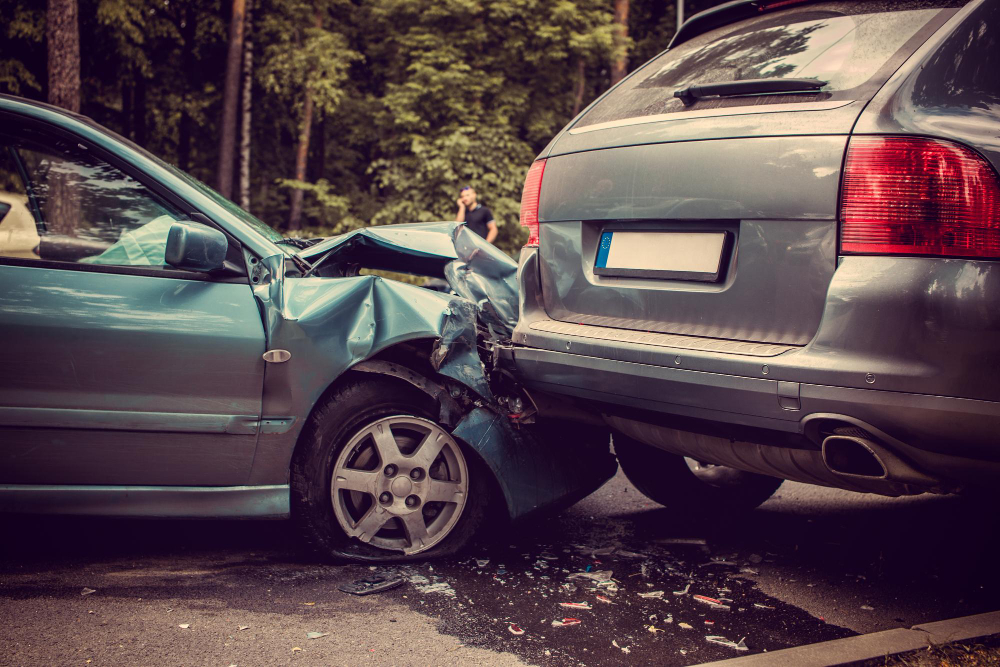
Rideshare services are now part of daily life. Millions of people request rides through apps every day, and drivers spend long hours moving passengers across cities. With so many vehicles operating through these platforms, it is natural to wonder how often accidents happen. Are rideshare accidents common compared with other types of crashes?
The numbers show that rideshare vehicles are involved in accidents, but they also reveal that the situation is influenced by factors like road exposure, urban traffic, and how rideshare platforms operate. Looking closely at the data helps explain where the real risks lie.
At Corradino & Partners, we frequently work with people involved in these incidents, and our New Jersey rideshare driver attorneys can help clarify what steps to take after a rideshare accident.
The Growth of Rideshare Driving
Over the past decade, rideshare services have expanded rapidly. Platforms like Uber and Lyft connect millions of passengers with drivers who use their personal vehicles to provide transportation.
Today, there are more than 2 million rideshare drivers operating in the United States, and billions of trips occur each year through these apps.
With so many rides taking place daily, rideshare vehicles now make up a noticeable portion of traffic in many cities. This higher presence on the road naturally increases the likelihood that some of these vehicles will be involved in collisions.
However, simply counting accidents does not tell the full story. The key factor is how much time rideshare drivers spend behind the wheel compared with ordinary drivers.
Exposure: The Biggest Factor Behind Accident Rates
The more time someone spends driving, the greater their chances of being involved in a crash. Rideshare drivers often work long shifts and cover far more miles than the average commuter.
Studies show that rideshare drivers are about 73 percent more likely to be involved in an accident than the general driving population.
That statistic does not necessarily mean rideshare drivers are less safe. Instead, it reflects the fact that they spend much more time on the road.
Many drivers complete dozens of trips in a single day. They may also drive between rides while waiting for passengers, a practice sometimes called “deadheading.” Those extra miles increase the amount of time they are exposed to traffic risks.
What Company Safety Reports Reveal
Safety reports from rideshare companies provide another look at accident patterns.
Data from recent safety reports show that Uber and Lyft recorded fatality rates of about 0.87 and 0.94 deaths per 100 million miles traveled during the 2021 to 2022 reporting period.
Interestingly, those rates are slightly lower than the national average for all drivers. That suggests that while rideshare drivers are involved in crashes more often due to road exposure, the most severe outcomes occur less frequently per mile traveled.
In other words, rideshare drivers drive more miles overall, but fatal crash rates per mile remain relatively comparable to general driving patterns.
Fatal Crash Numbers in Rideshare Data
Looking at fatal crash data provides more context.
Between 2017 and 2018, Uber vehicles were involved in 97 fatal crashes that resulted in 107 deaths.
Breakdowns of those fatalities show that the victims are not always passengers. Research found:
- About 21 percent were riders
- Around 21 percent were drivers
- Roughly 58 percent were pedestrians, cyclists, or occupants of other vehicles
This distribution highlights an important point. Rideshare accidents often affect people outside the vehicle, especially in crowded urban environments.
Studies Linking Rideshare Growth to Traffic Fatalities
Researchers have also examined how rideshare expansion affects overall road safety. A study from the University of Chicago found that the introduction of rideshare platforms was linked to a 2 to 3 percent increase in traffic fatalities nationwide, which equals roughly 1,000 additional deaths per year.
Experts believe several factors contribute to this trend:
- Increased traffic congestion in urban areas
- More vehicles circulating while waiting for ride requests
- Longer driving hours for gig economy drivers
These factors increase the total number of miles driven on roads, which can lead to more collisions overall.
One in Three Drivers Reports a Crash
Research focusing specifically on rideshare drivers offers another perspective.
A study from the University of Illinois Chicago found that about one-third of rideshare drivers reported being involved in a crash while working.
Several factors may contribute to that number:
- Long hours on the road
- Heavy use of smartphones for ride requests and navigation
- Driving in unfamiliar areas
- Late-night shifts when fatigue can set in
These conditions create an environment where accidents are more likely compared with short daily commutes.
Common Causes of Rideshare Crashes
When investigators examine accident reports involving rideshare vehicles, the causes look very similar to those found in other traffic accidents. Distracted driving remains one of the most common factors. Checking ride requests, using navigation apps, or communicating with passengers can take a driver’s attention away from the road.
Fatigue also plays a role. Some drivers work late night shifts or drive for long periods without breaks. Urban congestion adds another layer of risk. Rideshare vehicles often operate in busy downtown areas where pedestrians, cyclists, and delivery vehicles share the same streets.
How Rideshare Accidents Compare to All Traffic Crashes
Despite these risks, rideshare accidents still represent only a small portion of overall vehicle crashes in the United States.
Millions of collisions occur each year involving privately owned vehicles. The majority of accidents still involve regular drivers commuting to work, running errands, or traveling on highways.
However, rideshare crashes receive more attention because they involve commercial activity and unique insurance rules. When an accident happens, determining liability often requires reviewing the driver’s activity within the app and identifying which insurance coverage applies.
Why Legal Help Often Becomes Necessary
Because rideshare accidents involve layered insurance policies, the legal process can be complicated for everyone involved. Passengers, pedestrians, and other drivers may face multiple insurance companies when pursuing compensation for injuries. Coverage may depend on the driver’s status in the rideshare app at the time of the crash.
In these situations, people turn to an attorney for help understanding their rights and pursuing a claim. Drivers themselves may also seek representation after an accident. A rideshare driver lawyer can assist when drivers face liability disputes or insurance challenges related to crashes that occurred during rideshare trips.
Trusted Personal Injury Lawyers for Rideshare Accidents In NJ
If you were injured in a rideshare crash, getting clear legal guidance can make the road ahead much easier. At Corradino & Partners, our Clifton-based personal injury firm represents accident victims throughout North Jersey. Our legal team includes 10 attorneys with more than 130 years of combined experience and focuses exclusively on personal injury law, handling cases involving car accidents, rideshare collisions, construction accidents, and other injury claims.
For more than 25 years, our firm has fought for injured clients and recovered millions of dollars in settlements and verdicts while taking on large insurance companies and corporate defendants.
When you work with us, we handle the legal process so you can focus on recovery. Contact us today for a free consultation to discuss your rideshare accident case.
Related Posts
- What To Do If You’re Injured In A Rideshare Accident
- Top 5 Injuries In Rideshare Accidents And Their Impact
- Rideshare Vs. Personal Vehicle Injury Claims: What Sets Them Apart
- Rideshare Etiquette: Guidelines For Safe And Courteous Rides
- Understanding The Statute Of Limitations For Rideshare Accident Lawsuits