


Workers’ Compensation Coverage: What Injuries Are Included?
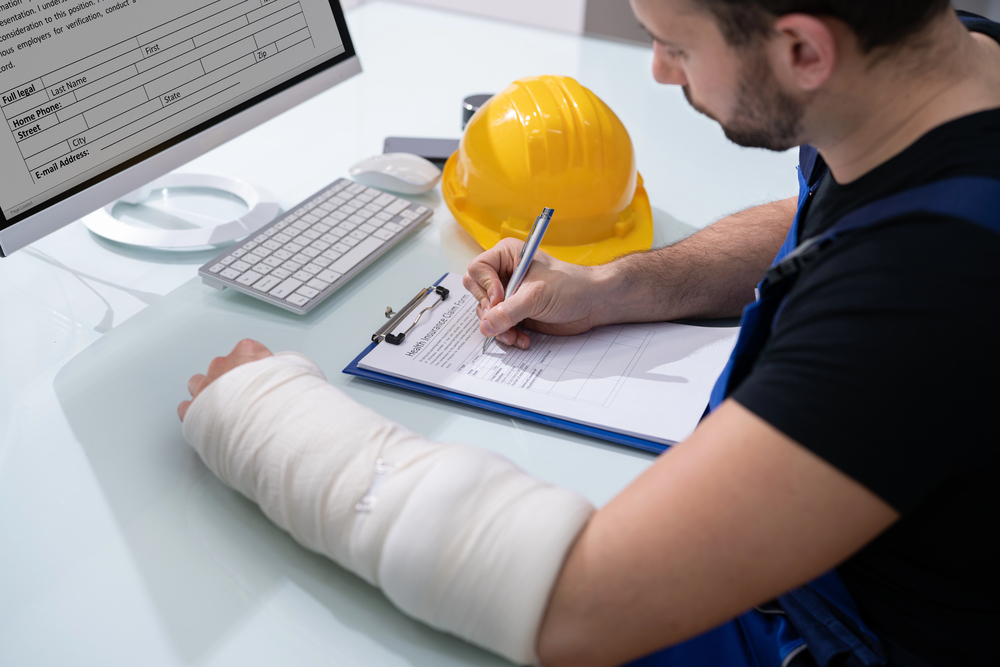
What could be a routine workday can change instantly when an accident leaves a worker facing hospital visits and unpaid time away from the job. Employees may assume workers’ compensation automatically covers injuries and lost wages. Confusion often surrounds what injuries are covered by workers’ compensation and how eligibility is decided. Misunderstanding reporting rules and benefit limits can slow recovery and restrict access to financial relief.
Workers across New Jersey frequently contact Corradino and Papa, LLC after job-related accidents disrupt their health and long-term earning ability. Workers’ compensation in NJ serves as a financial and medical safety net for employees injured in the course of their employment.
Learning about qualifying injuries begins with understanding how workplace accidents are classified and how insurance carriers and courts review compensation claims and medical evidence carefully.
What Injuries Are Covered by Workers’ Compensation?
Workplace injuries include far more than sudden accidents. Many conditions develop slowly, and others arise through exposure to hazardous working environments. Individuals searching for guidance from experienced workers’ compensation lawyers in New Jersey often learn that eligibility depends on proving a connection between job duties and the injury itself.
Physical Injuries from Workplace Accidents
Common Causes
Physical injuries often happen during everyday job tasks. These injuries frequently occur in construction, transportation, warehouse, manufacturing, and healthcare settings.
Types of Physical Injuries
Sudden accidents can lead to visible injuries such as broken bones, cuts, and head injuries. Internal damage and soft tissue injuries can also qualify when medical records connect the condition to work duties.
Occupational Illnesses and Workplace Exposure
How Exposure Leads to Illness
Workers’ compensation may cover illnesses caused by repeated exposure to harmful workplace conditions. These exposures may involve toxic chemicals, hazardous dust, and poor ventilation.
Examples of Occupational Illnesses
Workplace exposure can lead to respiratory problems, skin conditions, and long-term organ damage. In serious cases, exposure may contribute to cancer or permanent loss of bodily function. Medical evaluations often focus on proving that workplace exposure played a major role in causing the illness.
Catastrophic Workplace Injuries
Catastrophic injuries often lead to complex workers’ compensation claims because they can create long-term or permanent disabilities.
Common Types of Catastrophic Injuries
- Traumatic brain injuries
- Spinal cord injuries
- Severe burn injuries
- Permanent mobility loss
- Amputation injuries
Long-Term Impact and Benefits
These injuries often require ongoing medical care and rehabilitation, and long-term disability benefits. Financial recovery may include medical treatment coverage, temporary wage replacement, and compensation for permanent physical limitations.
Understanding Workplace Accidents and Injury on Workers’ Compensation Claims
Workers’ compensation injuries are not limited to accidents that happen at a normal job site. Employees can also be injured while performing job tasks in other locations. To decide if a claim qualifies, the main question is how closely the injury relates to job duties.
Workers’ compensation claims often include:
- Injuries that happen during business travel
- Accidents involving company vehicles
- Injuries during employer-sponsored events
- Accidents that happen while running errands
- Injuries that happen during approved lunch breaks
Mental health injuries can also qualify in some situations. Emotional trauma after violent workplace incidents or robberies can cause serious psychological conditions. Anxiety, depression, and post-traumatic stress disorder can develop from job stress or traumatic work experiences. Mental health claims usually require strong medical records and professional psychological evaluations.
Existing injuries can also worsen due to job duties. Physical strain or workplace exposure can increase symptoms of a previous condition. These cases can qualify for compensation if job duties clearly worsen the condition. Medical experts often compare a person’s past medical condition with their current injury to evaluate these claims.
Fatal workplace accidents also fall under workers’ compensation. Family members of a deceased worker can receive death benefits to help pay funeral costs and replace lost household income. These benefits help support families after a sudden workplace loss.
Filing a Claim and Re-Injury Workers’ Compensation Complications
Workers’ compensation claims require strict adherence to reporting and filing deadlines. Employees must notify employers immediately following a workplace injury. Delays in reporting may result in denied claims or lost documentation of injury details.
Employees typically follow several steps after a workplace injury:
- Report the injury to a supervisor or employer immediately
- Seek medical treatment through authorized healthcare providers
- Complete employer or insurance claim forms
- Maintain medical documentation and injury records
- File formal claim petitions within legal time limits
Insurance companies review claims after receiving documentation. Claim disputes sometimes occur regarding medical treatment authorization, disability ratings, or eligibility for benefits. Workers’ compensation judges ultimately decide claim validity when disputes arise.
Employees facing denied claims or serious injuries sometimes explore additional legal claims involving negligence or unsafe work environments. Guidance from experienced personal injury lawyers in New Jersey may uncover additional opportunities for financial recovery when third parties contribute to workplace accidents.
Protecting Your Rights After a Workplace Injury
Understanding workers’ compensation coverage helps employees respond quickly after workplace injuries and pursue financial recovery. Workplace injuries often create physical, emotional, and financial strain for injured employees and their families. Knowledge about eligibility, claim filing, and available benefits often plays a major role in recovery.
Workers facing job-related injuries often need experienced legal guidance to pursue medical treatment and financial recovery.
Corradino & Papa, LLC has spent decades representing injured workers across New Jersey. We understand the challenges employees face when workplace injuries interrupt their livelihood. Get in touch to learn more about your legal options and discuss your situation with our team.
Related Posts
- Personal Injury Vs. Medical Malpractice: How Are They Different?
- Why Wrongful Death Claims Are Different From Personal Injury Lawsuits
- Why Is Your Personal Injury Claim Taking Longer Than Expected? 7 Common Reasons
- Why Do Most Personal Injury Cases Settle Out Of Court?
- Personal Injury Vs. Personal Liability: Understanding The Legal Distinction