


Workers' Comp Vs. Personal Injury: Understanding The Difference
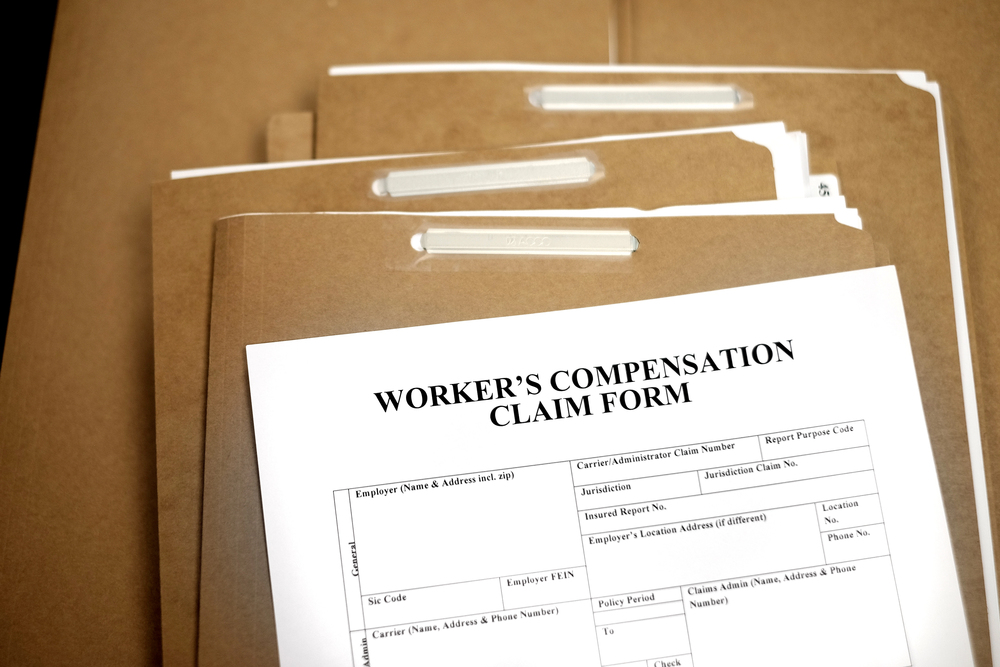
After an accident, most people focus on healing, paying medical bills, and figuring out how long they might be out of work. Legal decisions are at the top of the priority list. However, choosing between workers’ comp vs. personal injury claims can directly impact financial recovery and long-term stability.
Injured individuals may not realize that these two claim types serve different purposes and can sometimes apply to the same accident under certain circumstances. At Corradino and Papa, LLC, we regularly speak with injured workers and accident victims who are surprised to learn how the cause of an injury determines the legal path forward.
A fall at a job site, a crash during a delivery route, or an injury caused by defective equipment can lead to entirely different compensation opportunities. One claim type focuses on providing financial relief connected to employment injuries. The other centers on holding negligent parties accountable for the harm they cause.
Workers’ Comp Vs. Personal Injury: Understanding the Core Distinctions
Legal claims connected to injuries typically fall into two categories. Workers’ compensation focuses on workplace incidents and provides benefits through employer insurance programs. Personal injury claims focus on accidents caused by negligence and allow broader financial recovery.
Individuals seeking guidance may often consult experienced personal injury lawyers in New Jersey after accidents caused by careless actions, unsafe property conditions, or defective products. Claims involving negligence require proof connecting the responsible party’s actions to the injury. Workers’ compensation claims rely on proof showing an injury occurred during job duties.
Workers’ compensation claims typically cover:
- Medical treatment for workplace injuries
- Partial wage replacement during recovery
- Disability payments
- Rehabilitation programs
- Death benefits for surviving family members
Personal injury claims expand compensation opportunities and may include:
- Full wage loss recovery
- Medical expenses covering future treatment
- Emotional distress damages
- Pain and suffering damages
- Reduced earning potential
- Loss of enjoyment of life
Both legal options exist to address injury-related losses, yet legal requirements and available compensation differ significantly.
The Role of Fault in Injury Claims
Fault determines how claims move forward. Workers’ compensation follows a no-fault structure, meaning injured employees can pursue benefits regardless of who caused the accident. Job-related injuries remain eligible for benefits as long as the incident occurred during employment duties. This system exists to deliver medical treatment and wage replacement quickly without lengthy courtroom disputes.
Personal injury claims work differently: compensation depends on proving negligence. Liability involves demonstrating that another party had a duty to act safely, failed to meet that responsibility, and caused injury as a result. Evidence collection becomes valuable and often includes accident reports, witness statements, medical evaluations, and professional testimony.
Construction accidents highlight how fault influences claims. A worker injured in a fall may be eligible for workers’ compensation benefits through their employer’s insurance. Injuries linked to defective equipment manufactured by an outside company may give rise to additional negligence claims. Identifying all responsible parties allows injured individuals to pursue broader compensation opportunities.
Types of Incidents Covered Under Both Legal Paths
Workers’ compensation applies strictly to job-related injuries and occupational illnesses. Injuries may develop suddenly or occur gradually over time through repetitive tasks. Situations commonly covered include:
- Falls from ladders or scaffolding
- Machinery accidents
- Heavy lifting injuries
- Exposure to hazardous materials
- Repetitive strain injuries
Personal injury claims apply to accidents occurring in many different environments. Negligence can arise in public areas, commercial properties, healthcare facilities, or roadways. Common incidents include motor vehicle collisions, unsafe property conditions, defective products, and medical errors.
Certain workplace accidents involve both claim types. Consider a delivery driver injured during a collision caused by distracted driving. Workers’ compensation may cover medical treatment and lost income. A negligence claim against the responsible driver could allow recovery for additional damages such as emotional distress and reduced quality of life.
Compensation Differences Between Claim Types
Understanding how compensation works under each claim type helps injured individuals review financial recovery options and expectations. Workers’ compensation and personal injury claims follow different legal standards and provide different forms of financial support.
Workers’ Compensation Benefits
- Payment Structure and Eligibility
Workers’ compensation benefits follow state regulations that set payment limits and qualification requirements. These programs provide financial assistance tied directly to workplace injuries and employment-related losses.
- Medical Expense Coverage
Workers’ compensation typically covers treatment expenses for job-related injuries. Covered costs often include hospital visits, rehabilitation services, medications, and ongoing care connected to recovery.
- Wage Replacement Benefits
Temporary disability payments may provide partial income replacement while an employee recovers. Many states calculate these payments at about two-thirds of average weekly earnings, although specific formulas vary by location.
- Limitations of Workers’ Compensation
Workers’ compensation focuses on measurable financial losses related to employment. Compensation for emotional distress, physical discomfort, and long-term lifestyle disruptions usually remains excluded from these benefits.
Personal Injury Claim Compensation
- Broader Financial Recovery Opportunities
Personal injury claims allow individuals to pursue compensation for both financial losses and personal hardships resulting from an accident. These claims often provide more flexibility in damage categories.
- Economic Damages
Economic damages address documented financial losses connected to the injury. These damages often include hospital bills, physical therapy expenses, prescription costs, and lost income resulting from time away from work.
- Non-Economic Damages
Non-economic damages focus on personal impacts that do not carry direct financial documentation. These losses may include physical pain, emotional distress, and reduced ability to participate in normal daily activities.
Punitive Damages in Severe Negligence Cases
Certain personal injury cases involving extreme negligence may qualify for punitive damages. These awards are intended to penalize reckless or dangerous conduct and to discourage similar actions in the future.
Filing Procedures and Legal Timelines
Filing procedures vary significantly between claim types. Workers’ compensation claims follow administrative processes connected to employer insurance carriers. Injured employees must report their injuries promptly and receive a medical evaluation from an approved healthcare provider. Claim approval depends on documentation showing the injury occurred during job duties.
Steps often involved in workers’ compensation claims include:
- Reporting the injury to a supervisor or employer
- Seeking medical evaluation
- Filing documentation through employer insurance
- Appealing claim denials when necessary
Personal injury claims follow civil legal procedures and frequently involve negotiation with insurance carriers or litigation in court. Attorneys investigate accidents, gather medical evidence, and evaluate liability. Settlement negotiations often occur before cases reach trial.
Legal timelines exist for both claim types. Filing deadlines can vary depending on injury type, accident circumstances, and state law. Missing these deadlines may prevent compensation recovery entirely.
Eligibility and Third-Party Liability
Eligibility for workers’ compensation usually depends on employment classification and the location of the injury. Full-time and part-time employees injured in the course of their job duties often qualify for benefits. Independent contractors may face different eligibility rules depending on contractual agreements and employment classification laws.
Third-party liability introduces additional compensation opportunities when outside organizations contribute to workplace injuries. Equipment manufacturers, subcontractors, or property owners may be held legally responsible depending on the accident details. Identifying third-party negligence often requires a detailed accident investigation and technical analysis.
Workers facing claim denials or disputes can consult experienced workers’ compensation lawyers in New Jersey when insurance carriers challenge medical treatment, disability classifications, or eligibility.
When Both Claims May Apply
Dual-claim situations arise when workplace injuries involve negligence by outside parties. Legal coordination becomes important because workers’ compensation insurers may request reimbursement from personal injury settlements under subrogation rules. Proper claim handling protects injured individuals from losing compensation unnecessarily.
Examples where dual claims may arise include:
- Construction accidents involving defective safety equipment
- Workplace vehicle collisions caused through another driver
- Industrial accidents involving third-party maintenance contractors
- Delivery workers injured through unsafe property conditions
Dual claims often require strategic legal planning. Documentation must address both administrative insurance requirements and civil liability standards. Legal guidance helps injured individuals pursue maximum financial recovery across both legal channels.
The Right Legal Path After an Injury
Understanding legal options following an injury helps victims pursue compensation aligned with recovery needs and financial stability. Workers’ compensation programs provide essential financial relief after workplace accidents, yet negligence claims can lead to broader compensation when outside parties contribute to injuries.
Legal guidance helps injured individuals evaluate eligibility, identify responsible parties, and pursue claims that reflect both immediate and long-term losses. Accident details can often reveal compensation opportunities not initially recognized through basic claim filing.
Taking Action After an Injury with Trusted Legal Guidance
Serious injuries often create uncertainty surrounding employment, medical treatment, and financial stability. Corradino and Papa, LLC works with injured individuals across New Jersey to evaluate legal options, investigate accident circumstances, and pursue compensation. Extensive experience handling workplace injury claims and negligence-related lawsuits allows our firm to guide clients through legal processes with attention to detail.
Our legal team remains available to evaluate accident details and explain potential claim strategies. Contact us to learn more or request legal assistance today.