


Trucking Accidents Due To Defective Machinery: Causes And Consequences
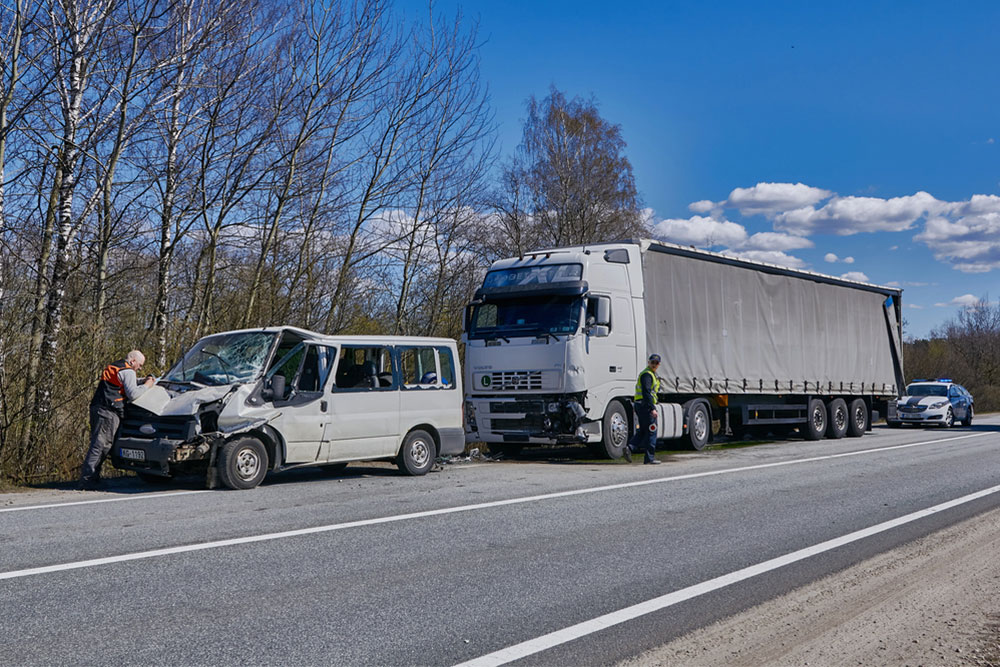
Large commercial trucks form the backbone of freight transportation across the United States. Millions of deliveries depend on these vehicles to move goods between cities, ports, warehouses, and distribution centers.
Highway safety relies heavily on the reliability of mechanical systems built into these massive machines. Trucking accidents due to defective machinery occur when those systems fail, creating sudden and devastating hazards for nearby motorists.
Corradino and Papa, LLC has spent decades helping injured individuals across New Jersey pursue compensation following serious accidents. Commercial truck crashes pose unique challenges compared to standard passenger vehicle collisions.
Investigations often reveal multiple contributing factors, including manufacturing defects, maintenance failures, or overlooked warning signs. Understanding how these failures occur allows injured victims to recognize their legal rights and seek appropriate financial recovery.
Trucking Accidents Due to Defective Machinery and Overlooked Mechanical Failures
Commercial trucks rely on dozens of interconnected mechanical and electronic components to operate safely. One faulty part can disrupt the entire vehicle’s performance and place surrounding drivers at risk. Many accident investigations uncover equipment failures that remained undetected until a collision occurred.
Motorists searching for experienced truck accident lawyers in New Jersey often discover that defective parts caused or contributed to their crash. Mechanical failures often develop gradually and may go undetected without thorough inspection.
Several types of defective truck equipment commonly contribute to collisions:
- Brake assemblies experiencing pressure loss or overheating
- Tires weakened through manufacturing flaws or extended wear
- Steering components causing unpredictable vehicle movement
- Transmission systems interrupting power transfer during operation
- Lighting systems failing to alert nearby drivers during turns or stops
- Electrical networks interfering with communication between safety systems
- Suspension components destabilizing cargo and vehicle balance
- Fuel systems increasing fire hazards following impact
- Safety technology failing to activate during emergency conditions
Brake failures present some of the most catastrophic risks. Commercial trucks require significantly longer stopping distances compared to passenger vehicles. Loss of braking ability can cause chain-reaction collisions, especially on downhill roadways or in congested traffic.
Tire blowouts also produce immediate danger. Sudden tire failure can cause trucks to swerve uncontrollably, overturn, or scatter debris across highway lanes. Steering defects introduce additional hazards when drivers lose the ability to guide vehicles safely through curves or traffic changes.
Equipment failures often occur without visible warning signs. Truck operators and fleet managers rely heavily on inspection schedules to identify potential mechanical problems before they escalate into safety threats.
Mechanical Defects and Their Role in Catastrophic Collisions
Commercial freight vehicles weigh significantly more than passenger vehicles, often exceeding 80,000 pounds when fully loaded. Mechanical failures in trucks can have severe consequences due to the enormous forces involved in collisions.
Brake malfunctions frequently contribute to rear-end accidents. Loss of stopping ability leaves truck operators unable to slow or halt vehicles during emergencies. Road conditions, heavy traffic, and steep grades can increase the risk when braking systems fail.
Steering system defects introduce another level of unpredictability. Trucks depend on precise steering mechanisms to navigate narrow highway lanes, construction zones, and merging traffic. Faulty steering components can cause trucks to drift unexpectedly, cross lane barriers, or leave the roadway entirely.
Lighting and signaling failures increase the risk of collisions during nighttime driving or in poor weather conditions. Drivers traveling behind or alongside commercial trucks rely heavily on visible signals to anticipate vehicle movement. Missing or malfunctioning signals can lead to dangerous side-impact crashes or sudden lane-change collisions.
Transmission failures can disrupt power delivery to wheels, potentially leaving trucks stranded in active traffic lanes. Sudden mechanical shutdowns pose a high risk to surrounding motorists, particularly on busy highways with limited shoulder space.
The complexity of commercial trucking systems makes mechanical reliability a must for roadway safety. One defective part can produce cascading failures across multiple vehicle systems.
The Connection Between Maintenance Lapses and Equipment Malfunctions
Mechanical defects rarely appear without warning. Routine inspections and maintenance programs serve as safeguards against equipment failure. Trucking companies must follow strict maintenance schedules to identify worn, deteriorating, or malfunctioning components.
Maintenance failures often occur through:
- Delayed replacement of worn brake pads or hydraulic components
- Ignoring tire tread wear indicators or structural tire damage
- Failure to repair damaged lighting systems or warning signals
- Overlooking steering irregularities reported during inspections
- Skipping routine system diagnostics for electronic safety features
Commercial fleet operators must maintain detailed service records documenting repairs, inspections, and component replacements. These records often play a crucial role during accident investigations. Missing or incomplete documentation may indicate neglect or improper fleet management.
Responsibility for truck maintenance varies depending on ownership and employment arrangements. Independent truck drivers sometimes handle vehicle maintenance independently. Large freight carriers frequently manage maintenance programs through internal service departments or third-party contractors. Determining which entity failed to maintain equipment requires careful analysis of employment contracts and fleet management procedures.
Maintenance failures frequently interact with manufacturing defects. Even properly maintained vehicles may contain defective replacement parts installed during repair procedures. Identifying the cause of equipment malfunction is essential when determining liability after truck collisions.
Manufacturing Defectsand Product Liability Concerns
Commercial truck manufacturers are legally responsible for producing safe and reliable vehicle components. Design flaws, manufacturing errors, or insufficient product testing can introduce dangerous defects into commercial fleets.
Common manufacturing defects found in truck components include:
- Brake system designs prone to overheating or pressure imbalance
- Electrical components vulnerable to short circuits or signal interruption
- Engine parts susceptible to premature wear or failure
- Suspension systems incapable of stabilizing heavy cargo loads
- Safety technology failing to activate during emergency braking
Manufacturers must provide detailed instructions for the maintenance, repair, and safe operation of truck components. Failure to include accurate warnings or installation guidance can increase the likelihood of equipment malfunction.
Product liability claims frequently arise when defective truck parts contribute to collisions. These cases require technical analysis involving engineering experts and accident reconstruction specialists. Investigations often examine product design specifications, manufacturing processes, and quality control records to determine whether defective parts entered the commercial marketplace.
Complex Liability in Commercial Truck Accident Claims
Commercial trucking operations involve numerous organizations handling vehicle manufacturing, cargo loading, fleet maintenance, and driver training. Mechanical failure cases often reveal overlapping liability across multiple entities.
Potentially responsible parties may include:
- Truck manufacturers producing defective components
- Freight carriers responsible for vehicle inspection and servicing
- Third-party maintenance companies contracted to perform repairs
- Cargo loading companies responsible for weight distribution and stability
- Drivers responsible for reporting mechanical irregularities
Multi-party liability complicates insurance claims and legal proceedings. Commercial trucking insurance policies vary widely depending on company size, fleet ownership structure, and contractual relationships between drivers and carriers. Large freight companies often carry substantially more liability coverage than independent drivers operating under separate insurance arrangements.
Victims injured in trucking accidents may face insurance carriers that attempt to dispute responsibility or minimize compensation. Legal representation often becomes essential when pursuing claims involving multiple liable parties and competing insurance policies.
The Physical and Financial Consequences of Truck Equipment Failures
Mechanical failures involving large trucks frequently produce catastrophic injuries. The immense size and weight of commercial freight vehicles create violent collision forces that passenger vehicles cannot withstand.
Victims commonly experience severe injuries such as traumatic brain injury, spinal cord damage, internal bleeding, complex fractures, and severe burns. Long-term medical care often includes surgeries, rehabilitation therapy, and ongoing medical treatment lasting years.
Financial consequences extend far beyond immediate medical expenses. Injured individuals frequently face lost income, reduced earning capacity, and costly adaptive medical equipment. Families may experience emotional trauma and caregiving responsibilities following serious collisions.
Accident claims involving defective truck equipment often pursue compensation covering:
- Emergency medical treatment and hospitalization costs
- Rehabilitation therapy and long-term healthcare needs
- Lost wages and diminished employment opportunities
- Vehicle replacement or repair costs
- Pain and suffering related to physical and emotional trauma
Determining full damages requires careful evaluation of medical reports, employment history, and long-term care projections. Mechanical failure accident cases often involve extensive expert testimony to establish the cause of injuries and financial losses.
Legal Guidance After a Serious Truck Collision
Mechanical failures involving commercial trucks often leave victims dealing with medical recovery, financial uncertainty, and emotional trauma.
Legal guidance can play an important role in helping injured individuals pursue accountability and financial recovery after devastating accidents. Our team at Corradino and Papa, LLC, remains committed to protecting the rights of injury victims throughout New Jersey.
Anyone harmed in a commercial truck crash involving defective equipment can learn more about their legal options and pursue compensation through a confidential case review. Request a consultation and take the first step toward pursuing justice and financial recovery.
Related Posts
- Rear-Ended By A Commercial Truck? Understanding Your Settlement Options
- How Do You Negotiate A Fair Truck Accident Settlement?
- 5 Key Factors That Determine A Truck Accident Settlement
- Snowstorm Safety Tips for NJ Drivers Sharing Roads with Large Trucks
- Are Truck Accidents More Dangerous When the Sun Sets Earlier in Fall? Filing a Claim in New Jersey