


FELA Claims Vs. Workers' Compensation: How Are They Different?
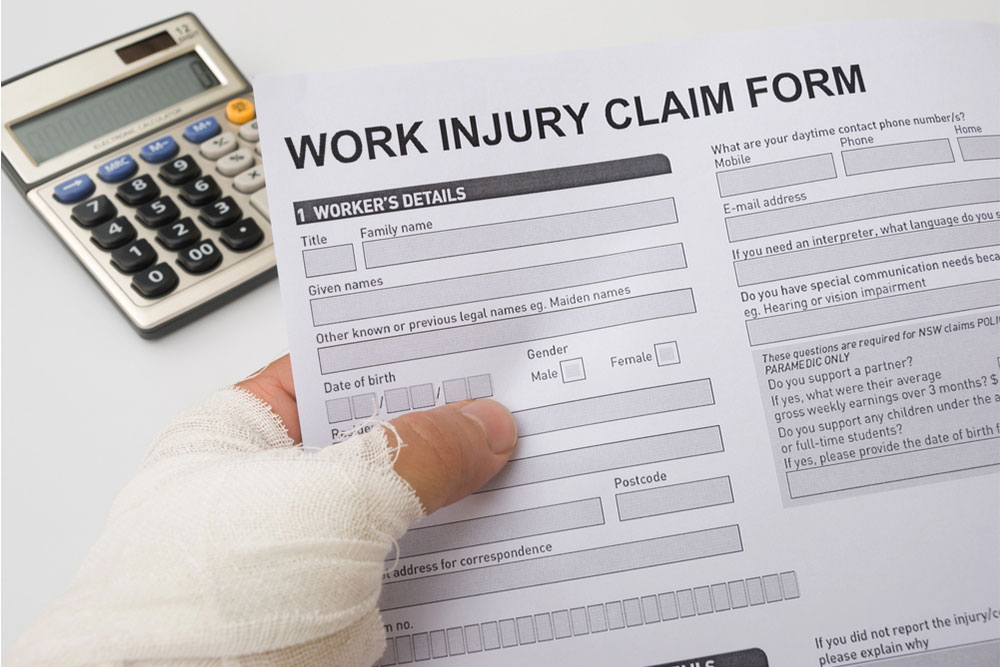
Railroad jobs require physical endurance, technical skill, and daily exposure to high-risk environments. Heavy equipment, powerful locomotives, and hazardous materials create dangers that can lead to severe injuries or long-term health complications.
When accidents happen, injured railroad workers often face confusion about their legal rights and the type of compensation available. Questions frequently arise about FELA workers’ compensation and how it compares to traditional workplace injury claims.
The Federal Employers’ Liability Act (commonly known as FELA) is a federal law designed to protect railroad employees. This legal framework differs greatly from state-based workers’ compensation programs used by most industries. Both systems offer financial recovery for injured workers, yet the rules, recovery options, and legal processes follow very different paths.
Understanding FELA Workers’ Compensation Coverage
Railroad workers operate under federal law that replaces traditional state workplace injury systems. FELA (passed by Congress in 1908) recognized the dangerous nature of railroad operations. Hence, it created a legal avenue for injured employees to seek compensation through civil lawsuits.
Most industries rely on state workers’ compensation programs that provide benefits regardless of who caused the accident. Those programs typically cover medical expenses and a portion of lost income, though financial recovery often stops there.
FELA takes a different approach. Injured railroad employees must prove employer negligence contributed to their injuries. Evidence may include unsafe equipment, lack of training, or violations of federal safety regulations.
Employees working outside the railroad industry frequently pursue claims with experienced New Jersey workers’ compensation lawyers, who help them recover benefits under state injury programs. However, railroad employees must rely on federal legal protections for rail-related workplace injuries.
FELA allows claims involving:
- Unsafe working conditions
- Defective equipment or tools
- Inadequate employee training
- Failure to follow federal railroad safety laws
- Exposure to hazardous workplace substances
Federal protections allow railroad workers to seek financial recovery tied directly to employer negligence, expanding potential compensation.
How Is FELA Different from Workers’ Compensation Liability Standards?
One of the most important differences between the two systems centers on legal responsibility. State workers’ compensation programs operate as no-fault systems. Injured employees can recover benefits even if their own actions contributed to the accident. The tradeoff involves limited compensation that rarely accounts for emotional trauma or long-term lifestyle changes.
FELA claims require proof that the railroad employer played some role in causing the injury. This legal requirement might appear more difficult at first glance. Meanwhile, federal courts allow claims to proceed when employer negligence contributed to injuries, even in the smallest way. This broader interpretation of liability often allows injured railroad workers to present their cases before a jury.
The legal structure creates several major contrasts:
Workers’ Compensation Liability Rules
- No need to prove employer negligence
- Claims handled through administrative systems
- Compensation tied to preset benefit schedules
- Limited recovery for long-term injury impact
FELA Liability Rules
- Employer negligence must be proven
- Cases proceed through civil court litigation
- Injured workers gain access to jury trials
- Compensation reflects real-life injury consequences
Civil lawsuits under FELA allow juries to examine safety failures, workplace practices, and medical evidence before determining the amount of a financial recovery. This courtroom process often allows a deeper evaluation of how injuries affect daily life, career stability, and long-term health.
Compensation Differences Under FELA Workers’ Compensation Claims
Financial recovery under federal railroad injury claims extends well beyond the limitations of state workplace injury programs. Workers’ compensation benefits usually cover medical treatment and a percentage of lost wages. These programs rarely address emotional suffering, loss of enjoyment of life, or permanent physical limitations.
FELA claims open the door to broader categories of compensation. Injured railroad employees can pursue damages reflecting the full impact of their injuries.
Compensation under FELA may include:
- Full reimbursement for lost income and future earning limitations
- Payment for current and future medical treatment
- Compensation for physical pain and emotional distress
- Damages related to reduced quality of life
- Financial recovery tied to permanent disability
- Wrongful death damages for surviving family members
State programs generally follow fixed payment schedules that may not reflect the true cost of catastrophic injuries. Federal railroad claims allow juries to consider how injuries affect physical health, mental well-being, and financial stability across a lifetime.
Injuries and Conditions Covered Under FELA
Railroad employment exposes workers to hazards capable of causing both sudden trauma and long-term illness. FELA covers injuries connected to virtually all aspects of railroad operations. Claims often involve incidents tied to workplace safety violations or dangerous environmental exposure.
Common injury scenarios include:
- Train collisions or derailments causing crush injuries or fractures
- Yard switching accidents involving coupling or uncoupling railcars
- Falls resulting from unsafe walking surfaces or inadequate fall protection
- Equipment malfunction caused by poor maintenance or mechanical failure
- Occupational hearing loss linked to prolonged exposure to locomotive noise
FELA also recognizes cumulative trauma injuries that develop over time. Years of repetitive motion, heavy lifting, or exposure to workplace vibration can result in joint damage or chronic spinal conditions. Occupational illness claims may involve exposure to diesel exhaust, asbestos, silica dust, or chemical toxins associated with cancer and respiratory disease.
Workers injured in various work environments may seek legal help from experienced work accident lawyers in New Jersey when workplace negligence causes severe injuries. Railroad workers face unique dangers that require federal legal protection to address both sudden accidents and long-term exposure risks.
Dedicated Advocacy for Railroad Injury Victims
Railroad workers face risks that demand robust legal protections when workplace negligence results in serious injuries. Corradino and Papa, LLC has spent decades advocating for injured workers across New Jersey, including those harmed in complex workplace accidents. Our legal team carefully evaluates federal and state injury claims to help injured individuals pursue maximum compensation for their injuries and long-term needs.
Workers facing railroad injury claims deserve guidance rooted in experience and a thorough legal strategy. Our firm stands ready to evaluate potential claims, review the circumstances of the accident, and explain the legal options available under federal workplace injury law.
Reach out and learn how our attorneys can help protect your rights and pursue financial recovery.